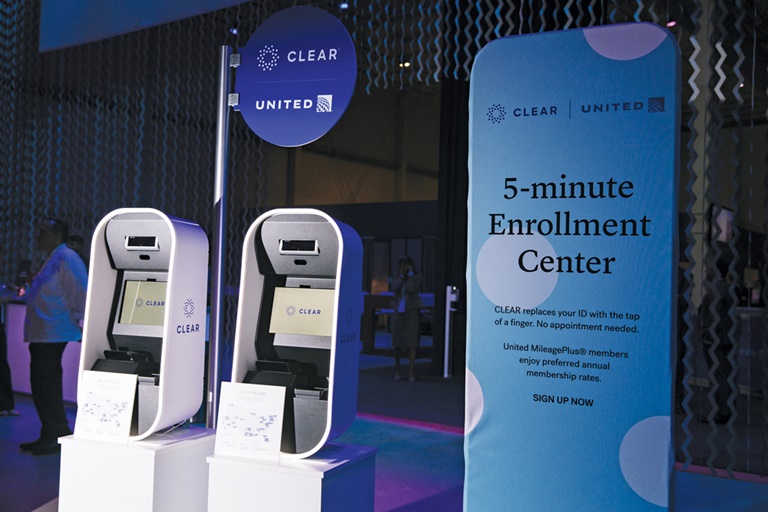
As a customer of CLEAR Plus, I would be leary of investing in the company. Although it has intriguing growth prospects and its service seems entrenched in airports, I see several red flags looking ahead. Since this is a newer high-growth stock, I will not touch on the balance sheet, its negative net income, or growing stock-based compensation, but focus on what I see as fundamental flaws with its qualitative aspects. I usually only talk about companies I like, but CLEAR has a unique business model worth a shallow dive into.
Uninspiring story:
The company started in 2003 as Verified Identity Pass, founded by Steven Brill (founder of Court TV) and Ajay Amlani. The company went bankrupt in 2009 but was resurrected in 2010 for only $6 million by Caryn Seidman-Becker and Ken Cornick, two former hedge-fund managers who had to close their funds after the recession.
There is not inspiring about this story. The original founders bailed out of the company before the boat sunk, and the new founders look at this company as a profit machine rather than a business that can fundamentally change the world; that’s my perspective. The story wouldn’t matter if CLEAR were a more stable company with a longer track record. This is a red flag for a younger company with negative earnings per share trying to grow its footprint.
An alarming amount of bad reviews from customers and employees:
You can scour the internet, but CLEAR has a relatively high amount of 1-star and negative reviews from customers and employees on Glassdoor. Based on what I saw, many reviews complain about potentially predatory and unethical sales tactics pushing people at the airport to sign up for a membership. Although negative reviews are inevitable, the sheer volume of bad experiences is troubling and potentially damaging for its brand. I don’t consider CLEAR a scam, just a poorly rolled-out consumer subscription product pushed by salespeople trying to make commissions.
The value proposition of a $189 CLEAR Membership is unclear:
As a former cardholder of the Amex Platinum, the entire $189 CLEAR membership was covered by American Express. I would not pay $189 out of pocket. That is my view and the consensus of those in the travel and credit card rewards community. It is not a good sign when the value of your flagship product is perceived as an overpriced service by the average consumer.
TSA PreCheck is $78 for five years. Global Entry is $100 for five years. CLEAR Plus is a whopping $189 for one year. Those who get the most from CLEAR are frequent travelers but do not get guaranteed expedited service at the airport, making the value of a Plus membership questionable.
Here we have a conundrum with CLEAR Plus: The more people that get the service, the less convenient it becomes, as the express line gets just as long as the regular ones. If everyone jumps the line, the line jumpers no longer receive expedited service. If TSA PreCheck travelers wait only 5-15 minutes or less in their security line, the value of CLEAR Plus becomes obsolete. There is no point in paying for a service to jump the queue when there are only a few people in the line, to begin with.
Amazon has over 200 million Plus subscribers. Costco has 124.7 million members. Netflix has 74.4 million US Customers. CLEAR Plus has 15 million subscribers. CLEAR Plus, as far as consumer airport subscription service goes, has limited growth and runway because the number of people that benefit from it is limited. You strip away all the members that get CLEAR Plus for free or at a discounted rate; the growth numbers are not impressive. Annual CLEAR Plus net member retention is stable above 90% because of all the subsidized subscribers. The most troubling aspect of this service is that the more they grow their subscription business, the worst the user experience becomes. I am starting to question the business model. CLEAR Plus would work much better if it ran like Planet Fitness, where most people with $10 memberships rarely go to the gym.
A threat of a data breach would be a death knell:
CLEAR has your biometric health data and other personal information. Any security breach would be embarrassing, given their name and an existential threat to the company. Meta could withstand the backlash from a data breach and quickly pay off any fines issued to them. Even a smaller company like Block or Equifax has vast resources. CLEAR does not have the brand equity or financial security to get caught up in a data breach. How many companies have your fingerprints and retinal imaging? Such a scenario would be catastrophic, and the TSA already reported CLEAR to have “security vulnerabilities.” I see the TSA, Republicans, and Democrats quickly throwing them under the bus, which would devastate a company still in its early growth stage.
Amazon and Google can eat their growth:
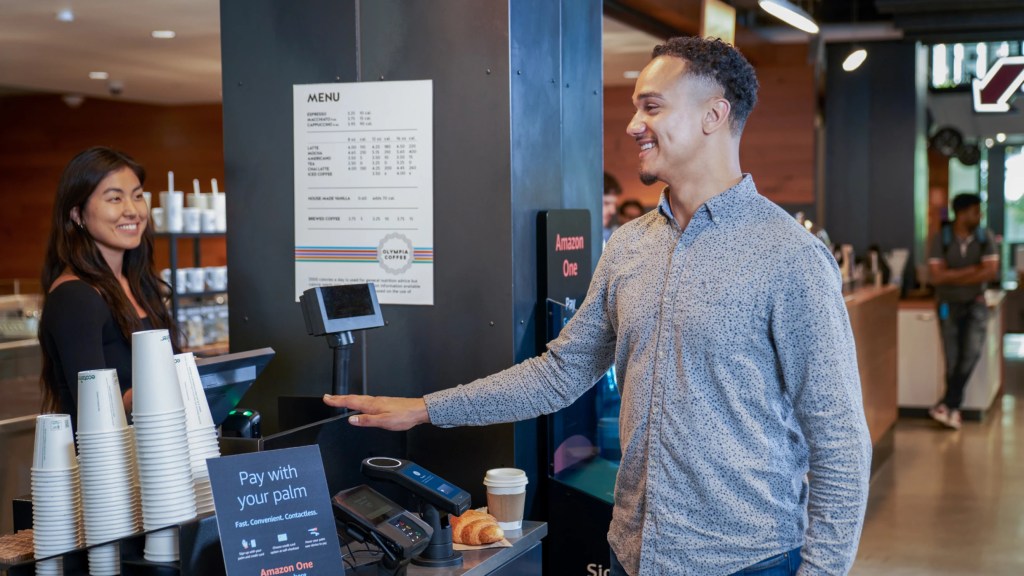
For CLEAR to be a big winner, they must be the identity verification of everything – retail transactions, payment information, biometric ticketing, self-service check-in, etc. If they achieve this lofty goal, the stock will likely be a big winner, but is it likely? Amazon is already in this space with Amazon One and its palm-reading scanner. Google is also in the authentication game. Why risk investing in CLEAR when Amazon and Google have more robust platforms? Amazon’s CEO Andy Jassey and their leadership can quickly implement its palm-scanner service with Amazon Prime and roll out their service to their partners already in place.
Although investing in CLEAR is a better bet to grow than any airline, this is not a company I would be comfortable holding long-term. The B2C business model is flawed. The target demographic for their product, frequent travelers, can get their flagship product at a discounted rate or free. The consensus among people who travel one to three times a year agrees that CLEAR is not worth paying the annual price. Unless they can provide more value for a subscription, I see a substantial price cut to maintain growth numbers.
Biometric authentication will likely grow in market size over the years. Still, CLEAR will not be a big winner in this space with just a moat in airports, even though they have competition in the United States and globally. I don’t blame anyone holding the stock long-term, as I see the potential long-term vision. I need more confidence management can execute their lofty goals. For the company to be a big hit as an investment, the story needs to be about strategic partnerships and growth on the B2B side. CLEAR is off to a great start with partnerships with LinkedIn, Delta Airlines, United Airlines, and Avis, but that could be hurt by brand degradation from mounting bad reviews. Also, there are serious security concerns. The average consumer may have no issue with trading their data for convenience, but this risk creates potential for government intervention, which is a negative catalyst for future growth. Amazon is likely tepid in expanding on its One service until they get a better read on how the government will react.
Conclusion: An intriguing business with potential, but there are other opportunities in the market with more upside and fewer risk factors. As a CLEAR Plus customer, I will only renew my subscription if it’s free. Paying for a service to jump a line is a weird business model. I wonder if it benefits society or solves an existing problem. I do not see a strong need or urge for the services CLEAR offers on the consumer side. The B2B aspect of biometric services is intriguing, but the future is obscure in a competitive sector featuring more prominent players with cash to burn. But this is just a preliminary review of the company. This could be an excellent investment if you have more extensive knowledge of CLEAR’s plans, technology, patents, and biometrics. Based on my analysis, I see too many landmines that can blow up an investor’s portfolio.
 Invest in Myself