Randominvestorhttps://investinmyselfcom.wordpress.comThis is my personal blog about finances, the stock market, and investments. Disclaimer: I am not a financial advisor. Take anything I say for entertainment purposes only.
What a tremendous experience it was to see Rod Stewart perform at Caesars Palace! Rod’s team’s hospitality was genuinely unexpected and greatly appreciated. I want to thank Micah, Jueying, and Megan for setting up the flight hotel booking and coordinating the meet and greet.
I had the opportunity to join Rod Stewart on stage and sing along to one of his hits, but I cowardly turned it down. I did the over 4,000 fans who paid to attend the concert a favor by not having to listen to my terrible singing voice! If I did somehow gain the courage to sing along, it would have been to my favorite Rod Stewart song, “In a Broken Dream,” which many casual fans have heard of since it was sampled in “Everyday” by ASAP Rocky featuring Miguel and Mark Ronson.
The energy and passion Rod brings to his performance are a source of joy and inspiration. Watching him live in person was truly remarkable. I also want to thank Rod’s incredible band members. These fantastic musicians and singers will likely never get the full recognition they deserve but are as much part of the show’s tapestry as Rod. Meeting them backstage was indeed an honor.
Thanks once again to Rod’s team for this incredible gift. Rod was put on this earth to be a singer, and I’m deeply grateful for the chance to watch and meet a rock legend.
“Investing is a business where you can look very silly for a long period of time before you are proven right.” Bill Ackman
A valuable lesson I learned is to view investing as a probability game, not a possibility game. Jeff Bezos says that if you have a 10% chance at 100x returns, you should always take it. The stock market is full of possibilities, but understanding the probabilities of risk and reward can separate overperformers from underperformers. 10% odds seem low, but for exponential gains, it creates a rare investment opportunity. I will discuss two companies with the infrastructure and platform to net a 100x return. These two companies have better than moonshot odds of becoming global industry leaders. Although many pieces need to come together for either to 100x, both stocks have sold off significantly but are more proven than highly speculative bets. Before investing in these companies, assessing your financial goals and risk tolerance is crucial. Knowing yourself and your investor portfolio is critical to see if these two companies are worth investing in.
Moderna: Ground-breaking technology on the path towards a medical revolution.
Moderna has created a new class of medicine, producing best-in-class drugs at unprecedented speed. The company has proven its technology and has steep financial resources to support a vast pipeline of respiratory, latent, cancer, and rare disease vaccines. While 90% of drug candidates fail in clinical trials, Moderna’s bioplatform is a game changer with a success rate higher than the industry average. Think of bioplatform as the iOs of pharma, which expedites vaccine development with shorter turnaround times. It could be the first company to produce a melanoma or lung cancer vaccine. Even if Moderana doesn’t develop a holy grail cancer vaccine, they have 3-6 drugs that will likely get FDA approval in the next 3-7 years.
Moderna likely has a fair value price of somewhere between $90-120 today based on the COVID-19 vaccine market. Fair value is a fugazi term because it is highly subjective and based on a static environment with no buyers and sellers. Investing in Moderna with their pipeline no longer priced in the stock could be a gift. At peak, Moderna’s stock priced in many assumptions that have yet to happen, and even though a lot of those assumptions have yet to materialize, the company is firing at all cylinders, and the growth story remains unchanged.
Moderna has better odds than most clinical-stage biopharmaceutical companies, and the growth is still early. When I invested in Nvidia in 2016, its data center revenue was just a blip, and most people invested in it because of its growing gaming revenue. Most investors did not have the foresight to know how its data center business would accelerate so quickly. I look at Moderna similarly. The stock trades on lagging Covid shots despite the company being more than just about one vaccine. Nvidia was trading downward based on rapidly declining gaming revenue when it had a skyrocketing data center division. Moderna has a world-class Pipeline matching companies 100 years older than them. I am betting that Pipeline has a data center-like revenue-producing drug that will drastically propel the company’s growth in the future. I have no problem remaining patient until Moderna can transform from a one-hit wonder to a vaccine empire.
Roblox: A new human experience and a potential advertisers dream.
Roblox is a highly volatile stock. Like Moderna, they are both young companies, so investors should expect some hiccups, although Roblox is more combustible. Think of them as more like the Kanye West of growth stocks: Innovative but highly misunderstood and explosive.
Roblox presents the best-in-class growth in the gaming industry. When you look at Activision Blizzard, Electronic Arts, and Take-two Interactive, they have a business model for producing hit games like Grand Theft Auto or Call of Duty. It can take 3-10 years to make a big game, whereas on Roblox, thousands of professional developers generate content. More content will likely equate to more hits, creating a more steady stream of consistent growth. The secret of Roblox is that it isn’t a game; it is an experience. That is the unique property of the company. You see immersive ads or portal ads, which is something other games are not doing.
When you look inside the inner workings of Roblox, you see more than just a video game publisher but a company creating a unique human experience that presents the evolution of a direct-to-consumer platform. Being an investor in Roblox is not for the faint of heart. The company has much to prove to show they can be consistently cash flow positive, but they have a blueprint in place. The platform is similar to a large plot of land, but in this case, a virtual endless plot of land. The potential is there, and although the ride may feel like a roller coaster, the story has a good chance of playing out.
Roblox is a popular game, but lumping it with Fortnite, Minecraft, or other popular games, is a misunderstanding of what it actually is. Roblox is a hybrid gaming and social media platform. Think of it as a combination of Youtube, TikTok, and Twitch.
The consensus is that Roblox has impressive user growth. Regarding popularity (daily and monthly active users), it’s up there with Snapchat and TikTok. Hours engaged on the platform are unreal; users spend about 2.6 hours daily on Roblox vs. 1.5 on TikTok. Let’s put that in perspective. 2.6 hours per day is more than the user engagement on Spotify, a platform many users passively listen to in the background. X (Twitter) has 200 million active users who spend an average of 30 minutes daily on that social media app. The average Roblox user spends more time on the platform in a week than the average X user spends on the app in a month!
I have a small position in Roblox because of its potential. Roblox has the profitability of an addictive video game platform but the total addressable market of a social media company. Of course, anyone investing in Roblox should understand that they spend more money than they make. Infrastructure, trust, and safety costs are increasing and needed to grow the business.
The growing expenses are hard to stomach, but the opportunity is immense. The goal is to eventually support one billion daily active users on its platform. That puts its revenue significantly higher than the likes of Pinterest, Etsy, and Spotify and in the same breath as Mega-Tech.
One key metric analysts use when evaluating Roblox is the average revenue per daily active user (ARPDAU) which shows how well the company monetizes its platform off its users. Consistently rising ARPDAU usually means rising revenue and strong growth. These are typically companies you can invest in for the long term.
I believe Roblox can be an ARPDAU machine with simultaneous strong user growth. Roblox can generate revenue in many ways and not just through ads. In contrast, its competitors will face a cap on monetizing their users.
Roblox checks the marks of a company that can eventually become Netflix on Steroids. I have four main questions about how big a growth monster this can become. Roblox passes all of them, while other entertainment platforms only meet some hurdles.
Is the platform unique, and can it be copied by big tech?
Regarding social experiences and user-generated content, Roblox is years ahead of Minecraft, Decentraland, Horizon Worlds, etc. TikTok offers a similar experience; however, Instagram Reels and, to a lesser extent, Youtube Shorts have closed the gap on TikTok. Roblox wins in providing an AR/VR experience or the Metaverse. It took several years to build this virtual 3D world, and would be difficult to replicate.
Does the platform provide a multi-sensory experience?
Spotify is a big loser as it is audio-only and handcuffs its potential. Roblox’s graphics and backgrounds will improve and be more realistic as technology improves. The Robolox, ten years from now, will look and feel drastically different. This is the bull thesis for the Metaverse. A better sensory experience equates to a more extensive user base. You will know the stock is a winner when you see grandma, grandpa, and the entire family on the platform, just as Facebook went from a small-user base of college students to a platform supporting over 3 billion monthly active users.
Is the experience a pitstop or a destination?
Roblox provides a virtual social experience. Dating apps like Tinder and Bumble are limited in their growth because the aim is to meet people outside of the app in real life. Since the experience of these apps is quite limited, they rely heavily on an ad-based business model. Only two companies (Meta and Alphabet) have proven this model works as a long-term sustainable revenue model. Roblox has much room to grow in ad revenue but other ways to drive revenue growth.
Do users have to be highly engaged in using the platform?
Both Netflix and Roblox provide a world-class user experience; however, viewers on Netflix are not “playing” on the platform; they are limited to only watching the content. Roblox has put itself in a class of its own regarding user engagement levels, even beating TikTok and Twitch.
Roblox provides a unique social experience, not just a gaming one.
The better the experience Roblox can provide its users and creators, increases the odds of a higher ARPDAU. Roblox has a significant advantage in this regard. There is nothing like it. The network effects are in play here. The better the infrastructure and platform, the more incentivized developers are to create better games and experiences. This leads to more companies buying ads and users who will spend more on digital items.
All of Roblox’s competitors have similar problems or Achilles heels. Roblox has the juicy monetization possibilities of a game but the scale and user base of a social media company. Again, all of this is based on a thesis that may not come to fruition, but the company is worth a look at its current levels, well below its IPO price.
Expenses will continue to rise, and profitability is more conceptual than mapped out. However, that is the right move in the long term. Roblox CEO and founder David Baszucki needs to be hyper-focused on growth instead of scaling for profitability. The priority right now should be growing market share and creating a strong network effect. If Roblox continues to attract users 17 and older and creates a true metaverse where users can engage in virtual experiences, the growth can be exponential. Scaling now to avoid significant costs could harm the company’s long-term prospects.
The hardest part of building a social media platform is convincing consumers to use and stay on. Suppose Roblox has a network effect and utilizes AI. In that case, it will eventually be able to reduce spending and monetize users more efficiently. When you see the hours of engagement on Roblox, scaling for profitability will be easier, especially if the user base continues to balloon.
I will hold my nose and jump in on Roblox. I call Roblox Netflix on steroids because Netflix has always spent a lot on making & marketing movies and shows. Spending aggressively on content has been necessary to grow and retains subscribers. Similarly, Roblox must do the same by spending on R&D and its growth. It could be a giant cash burn but a necessary one.
The risk is there, but I do see a life jacket. If things go south and my thesis fails, the platform is valuable enough to be bought out at a fair price for investors by one of the bigger tech players. Imagine Meta pairing Roblox with the Quest Pro or Apple with the Vision. I have no idea what price this would take, but the stock going to zero seems highly unlikely and something I am not worried about. If you invest in Roblox before the thesis is proven, you are likely getting in at a phenomenal cost basis. Imagine if you could have invested in Airbnb or Uber in 2013. Those two companies IPO’d several years after proving their business models worked, significantly lowering my interest in an investment. Roblox has the same feel as Netflix in the early 2000s. The brave willing to go risk-on now could look foolish or prophetically bold. I like what I see so far.
As a long-time Tapestry shareholder, I fully endorse the super-merger between Tapestry and Capri Holdings. Uniting these six iconic brands under one company is the closest thing the United States has to a luxury fashion house to rival the European powerhouses.
Minting a new conglomerate with hopefully a new name (I didn’t care for the Tapestry name) will create an underrated value company reinvigorated with unique growth potential. Larger, more diversified, more scale, and more reach. I like it.
Strengths of this deal:
Using a sum-of-parts valuation, this newly merged company is valuable. Each brand must be valued separately and combined to reach an overall valuation.
The brands under Capri are worth significantly more now under Tapestry’s leadership, growth strategy, and hyper-digital focus.
Diversification of assets: Stronger presence in Asia (Michael Kors and Jimmy Choo) and European (Versace) luxury markets and less reliance on the United States.
Capri Holding has brands that attract more consumers to the higher-end of luxury. The appeal for investing in this company was its profit-margin potential. Tapestry does a better job in almost every way operationally: optimizing product inventory, personalizing the consumer experience, maximizing its revenue, etc. Tapestry didn’t have the exciting growth potential compared to Capri due to its lack of a higher-margin portfolio to attract wealthier consumers.
Now it does.
The brands under Capri are still strong. The brands need a refresh but are not distressed. The problem has been a reliance on its wholesale business and bad growth strategy. Tapestry has succeeded in reviving slumping brands like Coach with a DTC/e-commerce-focused model and can do a similar rehab project with Michael Kors. There is no reason for Kors to bring in less revenue ($3.9b) in the last four quarters than Coach ($4.9b) and Versace ($1.1b) to be lagging Kate Spade ($1.4b). Tapestry has a clear 2025 growth strategy to unlock the underperforming Capri brands.
The debt needed to create this merger is problematic; however, the two fashion houses combined are much more robust and resilient against a tough macro economy. Management can address this debt by aggressively slashing corporate headcount, closing underperforming stores, and reducing retail partnerships, which should be under 10%.
The biggest headline for this deal was how much of a coup this was for Tapestry getting Capri at a bargain price. Under the transaction terms, Capri Holdings shareholders will receive $57.00 per share in cash for a total enterprise value of approximately $8.5b. $57 represents a premium of 59% to where Capri was trading the day before August 10th. That sounds like an overpay, but Capri traded above $68 in February and above $70 in the middle of 2018. Typically, acquisitions exceed the company’s fair value price – see Figma or Twitter. If this deal happened during the post-pandemic rebound or even six months ago, Tapestry would likely have to pay anywhere from $9-17b to get a deal done.
The macro is a big reason Capri traded below its estimated fair value. The narrative was different just six months ago. As long as we do not enter into a recession, this is a good deal, and if retail rebounds, which it has historically done in the past, this is a steal. As a Tapestry shareholder, I am excited to see the catalysts ahead for the stock to finally appreciate over 100% in the next 2-4 years. Tapestry was doing well before the merger, and I am optimistic they can integrate six luxury fashion brands to optimize growth and value fully.
The company remains high risk, but the reward, which is potentially exponentially high, is becoming more realistic. Moderna is going through significant turbulence: The growth story is starting, and the future outlook is fantastic, but Covid vaccine sales are abating. Investors that can remain calm and ignore the noise may find this an excellent starting point to invest in one of the most innovative companies in the world.
With any investment, one helpful exercise is asking yourself what you know and what you don’t know.
Knowing the unknowns (which are a lot) will help you understand the risk involved and align your risk tolerance with your financial goals.
Here is what we know about Moderna:
The fastest vaccine history was the Mumps vaccine, which took around four years. Coronavirus vaccines were developed within months, a true scientific miracle.
Moderna created the most effective Covid vaccine in the world, beating much more significant players like Janssen Pharmaceuticals and Pfizer.
The mRNA technology works.
A biotech’s r&d budget is typically high because drug development has at least a 90% failure rate during clinical development. Luckily though, Moderna is flush with cash.
Here is what we do not know:
We only know some of the applications for mRNA outside of Covid. It has great potential, but the market size and profitability still need to be discovered.
How many of the clinical trials will disappoint or fail?
How valuable is Moderna’s “intellectual property,” and can it be protected and enforced?
Moderna stock is down over 77% from the stock’s highs. This is unbelievable for the opportunity they present. I will take the risk with Moderna because the application with mRNA is so vast many analysts fail to grasp its full potential. Moderna is one of the most disruptive companies in the world. If we enter a potentially exponential growth phase with medicine, it could create a violent run-up for its stock for the next few decades. It has the cash to stay solvent and outlast its smaller competitors. The cash also provides for safety, allowing them ample time to unleash the potential of mRNA technology.
Moderna is stuck in a vicious narrative that the demand for Covid vaccinations needs to be high to drive revenue growth. I do not anticipate another pandemic anytime soon, but Covid-19 will never completely disappear. Moderna will likely capitalize on Covid vaccines as it shifts towards the private market. The government bought vaccine doses at a stark discount, $20.69 per dose, whereas on the market, it could have a price between $110-130 per dose.
Each person’s #cancer is different, which is why it can be difficult to treat. Hear more from @cleoabram about how we’re researching an individualized treatment approach specific to each person's #tumor, with the goal of training their immune system to fight back. pic.twitter.com/XFboEoiiUq
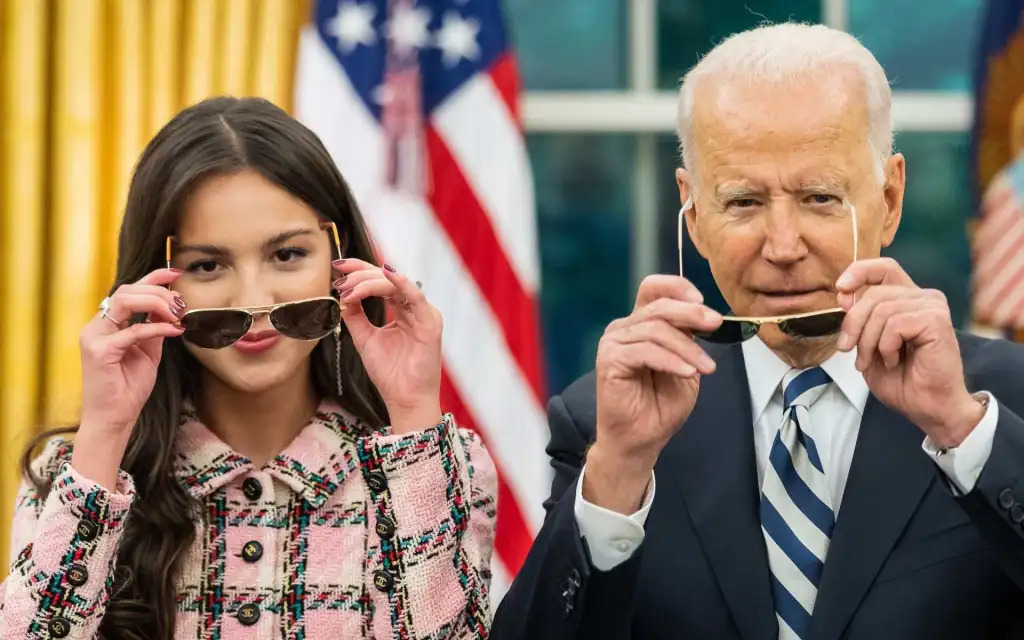
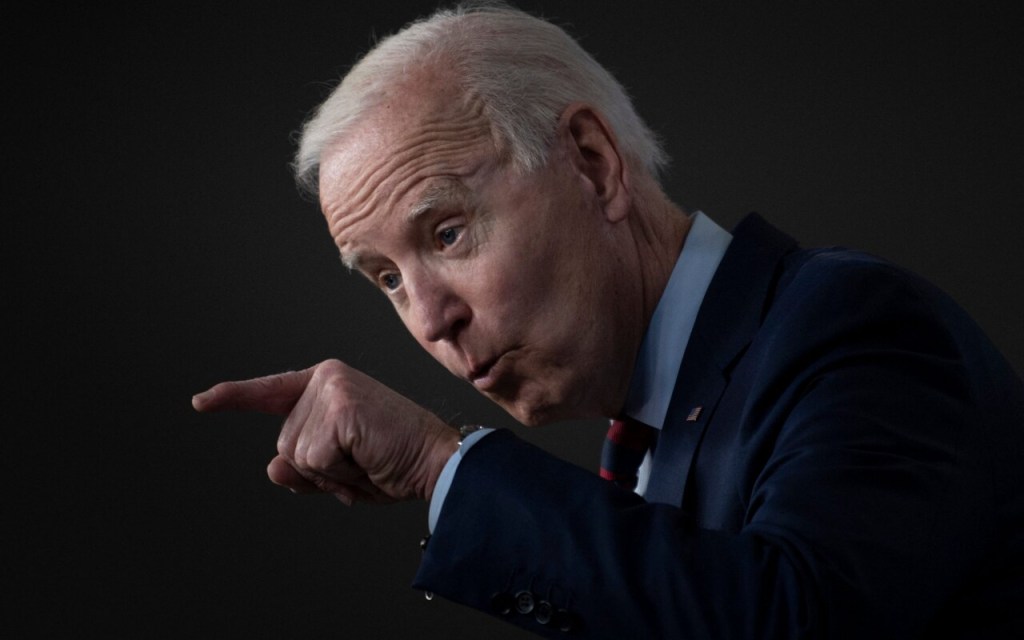
Much better than having Joe Biden And Olivia Rodrigo convincing kids to get vaccinated.
Most importantly, the government will no longer control the narrative of how these vaccines get advertised on the market. There is a reason why medical & pharmaceutical sales reps exist. Having Anthony Fauci and Joe Biden as the face of the vaccine campaign was embarrassing. The messaging got political, and the spokespeople for the movement needed to be more compelling. The campaign got predictably hijacked by extremists and conspiracy theorists spewing crackpot theories. The government did more harm than good for mRNA vaccines in the short term, but in the extended horizon, it will be more of a bump in the road rather than a giant sinkhole.
Today’s narrative is stuck on Covid vaccines when it will slowly shift over the next six months. Investors need to stay focused on the bigger picture, where future growth is limitless. The attention should remain on mRNA technology and not one vaccine. In the future, we can look at the Covid vaccine similarly to the Apple Computer. Moderna has in its pipeline the iPod, iPhone, iPad, AirPods, and Apple Watch in development. The future consists of 48 mRNA programs with vaccines for RSV, HIV, VZV, Lyme Disease, Zikah, and many more diseases. Even current investors may have tunnel vision and see mRNA vaccines only applicable to infectious diseases. Still, there are potential treatments for food allergies, cancer, heart attacks, strokes, and more. Based on the stock price, the company may appear to be crashing, but this plane has yet to leave the runway and has decades of soaring growth. This is an excellent opportunity to start an investment in the next Apple of Biotechnology.
Why investors should consider an investment in Moderna:
A technology-first approach, saving time in developing vaccines.
Tons of cash for acquisitions and legal defense.
mRNA Proof of concept.
Ability to speed up clinical trials to get numerous FDA approval.
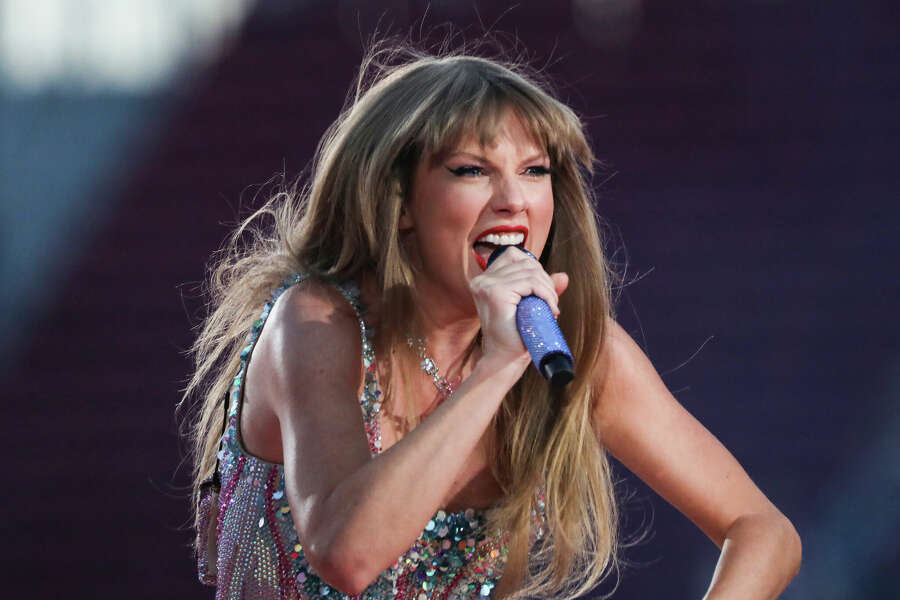
The story is just beginning as Moderna enters an accelerated growth phase. Moderna is not a traditional biotech company. The best is likely yet to come. Look at Moderna today, where Taylor Swift was in her career from around 2006-2010. The peak has yet to happen.
Before 2012, Taylor Swift was a country artist. Transitioning to mainstream pop music, a significantly more popular music genre, increased her popularity, reach, and earning potential.
The secret sauce for Taylor Swift is that she writes most of her music. Other artists who rely on ghostwriters or songwriters have less control over the direction they want to take their careers. Artists who write their music have great flexibility in experimenting with different genres and connecting to their fans.
Moderna has its proprietary bioplatform. It identifies the genome of a virus or disease, plugs it into its mRNA Design Studio on the AWS cloud, and produces a new or updated mRNA vaccine, creating a system and design to use the same mRNA technology to switch and develop a vaccine for infectious diseases or cancer.
Moderna is as much of a biotech company as Taylor Swift is a country artist. Swift’s reach as an artist is much larger than other artists like Luke Combs or Ashley McBryde. Moderna could vastly grow bigger than AbbVie or Merck. Ten years from now, we may look at Moderna regarding market cap similar to Meta and Nvidia.
What is a bioplatform, and how it’s used in mRNA medicine?
Bioplatforms involve special organizational and technological structures that biotech companies build to make their resources and technology reusable — and even cross-therapeutic. Ultimately, by making minor changes to a bioplatform in the drug discovery pathway, the development of new therapies for very different diseases can be achieved in a short time.
Take COVID-19 mRNA-based vaccines as an example. These vaccines deliver mRNA encoding the viral spike protein. By 2020, when the SARS-CoV-2 genomic sequence was known, some biotech companies working on mRNA vaccines for other diseases already had a bioplatform built. They were able to efficiently switch the specific spike protein mRNA sequence to use on their formulation. The rest of the drug discovery pathway was already implemented, like the mRNA manufacturing protocol, the cargo molecules to use, the delivery method and more.
Moderna is known for its hero Covid-19 vaccine, which almost every knows about, and billions of people have taken. Covid-19 is only one type of infectious disease. Moderna has mRNA vaccines in its pipeline for flu and respiratory syncytial virus (RSV). It also has a single shot/three-in-one vaccine, mRNA–1230, a combined COVID-19, flu, and RSV vaccine. Outside of Covid-19, Moderna has 48 mRNA programs, with 38, in clinical trials for HSV (herpes), Lyme disease, HIV, skin cancer, and many more diseases.
Compared to its peers, Moderna is undervalued, with a lower p/e than Gilead Sciences, Bristol-Myers Squibb, and Biogen. I do not want to make a trade simply because the company is undervalued and is due for a bounce. That may make for a short-term gain, but is it a great investment to hold for 5-10 years or longer?
If you look at Moderna as a technology company, it is dirt cheap and massively undervalued. Moderna has poc, or shown with scientific and empirical evidence that mRNA works with the Covid-19 Vaccine—over 12.7 billion doses across 184 countries. The “experimental” vaccine works. The results have been miraculous and the most significant achievements in modern science.
Investing in Moderna before the pandemic could have been considered speculative, but now the stock is trading around where it was right before the pandemic. That is an absolute steal for a company no longer preclinical. Moderna has roughly x7 more cash than before the pandemic and still zero debt, which can be used on legal counsel to protect its long list of valuable patents and intellectual property. Currently, Moderna is escalating a campaign normalizing and educating the public about mRNA capabilities. Moderna is opening a Seattle office focused on technology and a San Francisco office dedicated to Genomics. They are currently positioning themselves for high growth and expansion.
What is the potential of Moderna? Look at mRNA shots similar to the iPhone and mRNA Design Studio to iOS. The market and demand for these vaccines is incredible.
Moderna is a digital biotech company that utilizes Artificial intelligence AI algorithms to aid drug development. All investors should remember the majority of Moderna’s trials will likely fail. The stock will be volatile. Will they develop a vaccine for every disease or cancer? Highly unlikely, but their cash on hand creates a buffer for failed trials and gives them the luxury for acquisitions like buying Japanese DNA supplier OriCiro Genomics KK for $85 million. Through their technology and process, they will produce exponential results at a higher probability quicker than their peers.
Moderna created the Covid-19 vaccine within 48 hours, whereas developing a safe vaccine takes anywhere from 10 to 15 years historically. Moderna changed the game working at lightspeed efficiency, blowing their competitors out of the water in creating the most effective Covid vaccine in the world. The approach is unique, and a winner has emerged. Johnson & Johnson developed a viral vector vaccine that was not as effective. Novavax created a subunit protein vaccine, a few percentages lower in efficacy than Moderna’s.
Moderna has one of the best risk/reward ratios on the market. If you look at mRNA as a tool to fight several incurable diseases like cancer and Cystic Fibrosis, the opportunity and reward are much more significant. The pandemic is over, but the story for Moderna is just starting.
If you have never heard of Aritzia, it’s one of the fastest-growing fashion apparel brands growing globally. Like Lululemon, it was born out of Canada and has mapped an aggressive growth plan in the United States. With 48 stores in the United States, they project to have over 100 retail stores state-side by 2030.
Artizia has taken a long time to grow its brand. Founded in 1984, the company has gained a cult-like following over the past five years. The brand has been a favorite worn by celebrities like Meghan Markle, Taylor Swift, Ariana Grande, Malia Obama, etc.
Why I like Aritiza over the next seven years:
Each store is individualized, with a boutique-like feel.
High-touch personal customer service and shopping experience. To the bags and even how associates fold clothes. Some stores serve coffee and alcohol.
Explosive growth through social media. Support for Aritizia is cult-like. A Reddit subgroup, r/Aritzia, has over 35k members.
The brand is fresh and new for many in the United States. The growth so far has mainly been organic via worth of mouth and on social media.
I see no specific competitive edge or moat for Aritiza, but I don’t consider it high-risk. The company is highly profitable and executes better than most of its competitors. The company is in an envious position for long-term profitability and scalability, which doesn’t devalue operational efficiency over future growth. Many newer companies focus on top-line growth: revenue, and sales while letting expenses balloon. This growth-at-all-costs strategy has worked for companies but requires revenue to grow exponentially, making it highly risky. With Aritzia, I don’t see that.
Based on my non-professional opinion, this may be a good window of opportunity to start accumulating shares. The stock trades at an attractive level, to where it was before the pandemic rebound in 2021 and the re-opening in 2022. The weak hands have left the stock, and investors willing to be patient and not looking to speculate will be rewarded. Revenue growth numbers can return and potentially exceed levels from last year.
Gen Z will open their purses on discretionary categories as long as they care about it, even if they do not have the money. If maxed-out “Swifties” are spending thousands on merchandise and nose-bleed seats, that proves spending on non-essentials is not dead. Discretionary companies like Aritiza will get crushed in a recession or worsening economy. However, the growth story is mainly intact; nothing has changed in the past few months.
Retail is still alive, but it is becoming more fragmented and digital. The winners of this space will have to provide a more curated in-store experience and utilize social media to thrive. Aritiza is an early adapter in the changing retail landscape and will continue to win over a younger audience. They have a runway for 5-7 years; if they can continue to execute, I see them growing steadily. As we have seen with the rise of Lululemon, having a dedicated niche following can easily grow to a much larger audience quickly.
I have talked about the term”curated shopping experience.” Let me put more color to that. Gen X and Boomers didn’t need a customized shopping experience because the circle of people they interacted with was much smaller. With the rise of social media and technology, the average person’s friend group is much larger. Gen Z needs to have a more revolving and unique wardrobe. Previously, going to Bloomingdale’s or Macy’s was acceptable, but these companies have seen their brands degrade. Women today have way more options, and Aritzia fills a space where consumers demand a more personable experience.
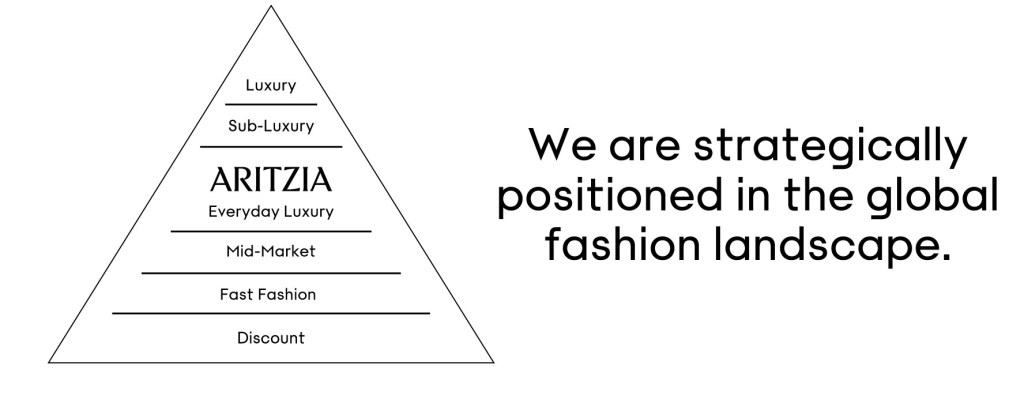
Most importantly, we have seen a steady rise in women’s earnings. Given that America is a nation of spenders and not savers, women will not spend more on discounted or cheap clothing but on the everyday luxury/luxury category. Aritizia’s target audience will continue to buy more quality apparel, and their spending in this category will increase.
My thesis is relatively simple. The more women earn and spend their time on social media, the better a company like Aritzia does financially. It’s a perfect compliment to my investment in Revolve Group. If either of these two companies can see expanding growth in their men’s segment or products outside of apparel, it can become a real home-run investment.
“I didn’t give any false hope,” answered President Biden to Fox News reporter Jacqui Heinrich. “The question was whether or not I would do even more than was requested. What I did, I felt was appropriate, and was able to be done and would get done. I didn’t give borrowers false hope. But the Republicans snatched away the hope that they were given, and it’s real, real hope.”
It’s official: President Biden broke his promise to cancel student loan debt, and he’s deflecting blame onto the Republicans and the Supreme Court.
Let’s first establish Biden did break his campaign promise. Biden at a Town Hall in Miami: “I’m going to eliminate your student debt if you come from a family [making less] than $125,000 and went to a public university.” Biden also said, “I’m going to make sure everyone gets $10,000 knocked off of their student debt.”
Why did Biden make this promise? It was to fulfill an agreement made to Bernie Sanders, who advocates canceling all student debt. Biden’s campaign promise helped him cinch the Democratic Party nomination and invigorated younger voters to come out and vote for him during the election. We don’t know if this promise was the deciding factor in Biden winning the presidency, but it sure looked like it helped bring out voters who sat out the 2016 election.
The troubling aspect of this promise is that Biden likely knew he would have trouble keeping it. Former House Speaker Nancy Pelosi said at a press briefing, “The president can’t do it.” “That’s not even a discussion.”
I also find it hard to believe Biden, a career politician, thought he could bypass this Supreme Court. As a US Senator, Biden voted against the nomination of Clarence Thomas, John Roberts, and Samuel Alito, three Bush-appointed Justices. Did he think the three Trump-appointed Justices would let his relief plan pass?
I doubt Biden was unaware of the slim probability of his plan passing. Now the millions of borrowers of federal student loans that trusted their president would come through for them are left with that feeling of being bled dry from a bloodsucking vampire.
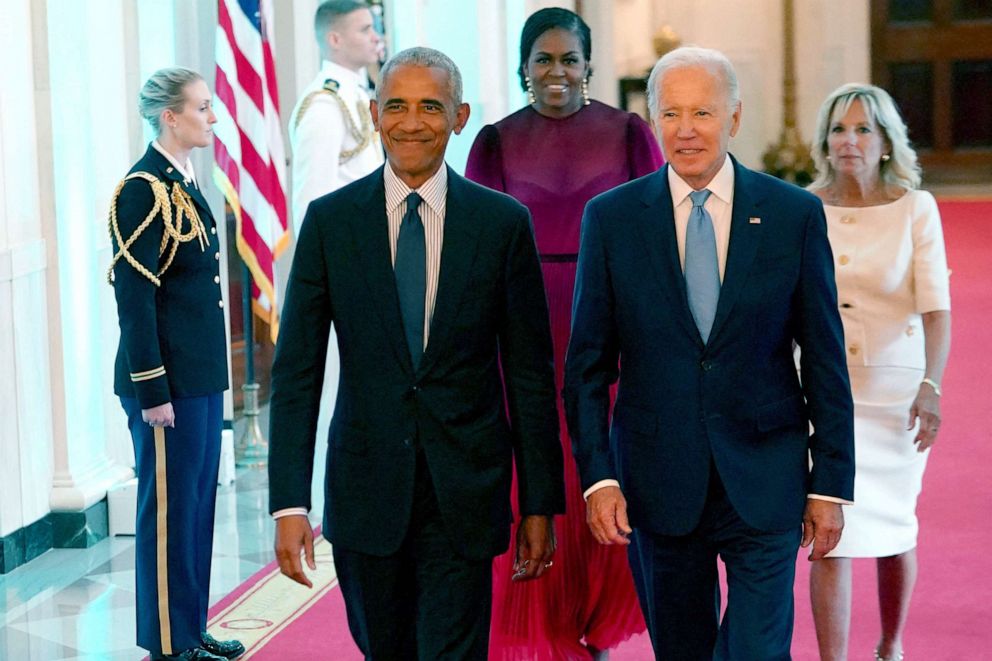
This administration has misled millions of borrowers, and the blame should fall on Biden. Many of these borrowers need relief and have already allocated these funds towards other obligations like food and rent. The default blame from Democrats will go toward the Supreme Court. However, the court’s current makeup was a product of Barack Obama’s inability to fight Republicans.
The Democrats received a major political win when Antonin Scalia passed away during the end of Obama’s second term. Scalia was not even 80, and the Democrats were poised to swing the court left. Unfortunately, Obama’s terrible relationship with Republicans caused his nomination, Merrick Garland, to go un-nominated, allowing Trump to fill the vacancy. Republicans one-upped Obama where Republican Senate majority leader Mitch McConnell said, “One of my proudest moments was when I looked Barack Obama in the eye, and I said, ‘Mr. President, you will not fill the Supreme Court vacancy.'”
Obama’s second mistake was his failure to pressure Ruth Bader Ginsburg to retire during his two presidential terms. He never even formally asked. It ended up being a political misfire as RBG was an aging liberal Supreme Court justice with a health history of cancer. If Obama had succeeded, he could have brought in a young liberal judge on the bench for decades, allowing Democrats to have a say in the complexion of the court. Sadly RBG passed away, and Trump replaced her with Amy Coney Barrett, a significant coupe for Republicans.
The Supreme Court should have a 5-4 liberal-lean. Still, Obama refused to engage in hard-ball politics to fight the Republicans or convince a justice that shared his political ideology to retire. Obama had the opportunity to appoint Garland via an executive order called a recess appointment but failed even to try. This administration’s theme was one of capitulation and compromising to Republicans that took more than they gave. Because of these failures, it will likely leave the Supreme Court as a thorn towards liberals for the next few decades.
Joe Biden is a politician trying to win your vote for him and his party. The problem with politics is that most politicians don’t do enough to earn their worth in office. When the central theme of your messaging is that we’re not as bad as the other side, it produces lackluster and uninspiring results. Imagine going on a date, and your date’s main selling point is, “I’m not as bad as other guys/girls, you know.”
My message to borrowers affected by Biden’s lie is to accept what happened and take these student loans for what they are: a bad investment. Expecting the government to provide relief is ironic when the government is the biggest culprit for this student loan debt balloon.
In a situation like this, it could be helpful to remember the serenity prayer: “God grant me the serenity to accept the things I cannot change, the courage to change the things I can, and the wisdom to know the difference.”
No Democrat or Republican will come on a white horse and save you. If you want a nest egg with a shot at retirement, you must rely on yourself. Taking action now is within one’s control. As an investor, I have made plenty of stupid mistakes. However, I am not expecting or asking the government to backstop my lousy investing decisions. I learn, move on and become a better investor. Wiping all or a portion of your student loans can help, but it isn’t a panacea solution to lift millions out of poverty.
As a customer of CLEAR Plus, I would be leary of investing in the company. Although it has intriguing growth prospects and its service seems entrenched in airports, I see several red flags looking ahead. Since this is a newer high-growth stock, I will not touch on the balance sheet, its negative net income, or growing stock-based compensation, but focus on what I see as fundamental flaws with its qualitative aspects. I usually only talk about companies I like, but CLEAR has a unique business model worth a shallow dive into.
Uninspiring story:
The company started in 2003 as Verified Identity Pass, founded by Steven Brill (founder of Court TV) and Ajay Amlani. The company went bankrupt in 2009 but was resurrected in 2010 for only $6 million by Caryn Seidman-Becker and Ken Cornick, two former hedge-fund managers who had to close their funds after the recession.
There is not inspiring about this story. The original founders bailed out of the company before the boat sunk, and the new founders look at this company as a profit machine rather than a business that can fundamentally change the world; that’s my perspective. The story wouldn’t matter if CLEAR were a more stable company with a longer track record. This is a red flag for a younger company with negative earnings per share trying to grow its footprint.
An alarming amount of bad reviews from customers and employees:
You can scour the internet, but CLEAR has a relatively high amount of 1-star and negative reviews from customers and employees on Glassdoor. Based on what I saw, many reviews complain about potentially predatory and unethical sales tactics pushing people at the airport to sign up for a membership. Although negative reviews are inevitable, the sheer volume of bad experiences is troubling and potentially damaging for its brand. I don’t consider CLEAR a scam, just a poorly rolled-out consumer subscription product pushed by salespeople trying to make commissions.
The value proposition of a $189 CLEAR Membership is unclear:
As a former cardholder of the Amex Platinum, the entire $189 CLEAR membership was covered by American Express. I would not pay $189 out of pocket. That is my view and the consensus of those in the travel and credit card rewards community. It is not a good sign when the value of your flagship product is perceived as an overpriced service by the average consumer.
TSA PreCheck is $78 for five years. Global Entry is $100 for five years. CLEAR Plus is a whopping $189 for one year. Those who get the most from CLEAR are frequent travelers but do not get guaranteed expedited service at the airport, making the value of a Plus membership questionable.
Here we have a conundrum with CLEAR Plus: The more people that get the service, the less convenient it becomes, as the express line gets just as long as the regular ones. If everyone jumps the line, the line jumpers no longer receive expedited service. If TSA PreCheck travelers wait only 5-15 minutes or less in their security line, the value of CLEAR Plus becomes obsolete. There is no point in paying for a service to jump the queue when there are only a few people in the line, to begin with.
Amazon has over 200 million Plus subscribers. Costco has 124.7 million members. Netflix has 74.4 million US Customers. CLEAR Plus has 15 million subscribers. CLEAR Plus, as far as consumer airport subscription service goes, has limited growth and runway because the number of people that benefit from it is limited. You strip away all the members that get CLEAR Plus for free or at a discounted rate; the growth numbers are not impressive. Annual CLEAR Plus net member retention is stable above 90% because of all the subsidized subscribers. The most troubling aspect of this service is that the more they grow their subscription business, the worst the user experience becomes. I am starting to question the business model. CLEAR Plus would work much better if it ran like Planet Fitness, where most people with $10 memberships rarely go to the gym.
A threat of a data breach would be a death knell:
CLEAR has your biometric health data and other personal information. Any security breach would be embarrassing, given their name and an existential threat to the company. Meta could withstand the backlash from a data breach and quickly pay off any fines issued to them. Even a smaller company like Block or Equifax has vast resources. CLEAR does not have the brand equity or financial security to get caught up in a data breach. How many companies have your fingerprints and retinal imaging? Such a scenario would be catastrophic, and the TSA already reported CLEAR to have “security vulnerabilities.” I see the TSA, Republicans, and Democrats quickly throwing them under the bus, which would devastate a company still in its early growth stage.
Amazon and Google can eat their growth:
For CLEAR to be a big winner, they must be the identity verification of everything – retail transactions, payment information, biometric ticketing, self-service check-in, etc. If they achieve this lofty goal, the stock will likely be a big winner, but is it likely? Amazon is already in this space with Amazon One and its palm-reading scanner. Google is also in the authentication game. Why risk investing in CLEAR when Amazon and Google have more robust platforms? Amazon’s CEO Andy Jassey and their leadership can quickly implement its palm-scanner service with Amazon Prime and roll out their service to their partners already in place.
Although investing in CLEAR is a better bet to grow than any airline, this is not a company I would be comfortable holding long-term. The B2C business model is flawed. The target demographic for their product, frequent travelers, can get their flagship product at a discounted rate or free. The consensus among people who travel one to three times a year agrees that CLEAR is not worth paying the annual price. Unless they can provide more value for a subscription, I see a substantial price cut to maintain growth numbers.
Biometric authentication will likely grow in market size over the years. Still, CLEAR will not be a big winner in this space with just a moat in airports, even though they have competition in the United States and globally. I don’t blame anyone holding the stock long-term, as I see the potential long-term vision. I need more confidence management can execute their lofty goals. For the company to be a big hit as an investment, the story needs to be about strategic partnerships and growth on the B2B side. CLEAR is off to a great start with partnerships with LinkedIn, Delta Airlines, United Airlines, and Avis, but that could be hurt by brand degradation from mounting bad reviews. Also, there are serious security concerns. The average consumer may have no issue with trading their data for convenience, but this risk creates potential for government intervention, which is a negative catalyst for future growth. Amazon is likely tepid in expanding on its One service until they get a better read on how the government will react.
Conclusion: An intriguing business with potential, but there are other opportunities in the market with more upside and fewer risk factors. As a CLEAR Plus customer, I will only renew my subscription if it’s free. Paying for a service to jump a line is a weird business model. I wonder if it benefits society or solves an existing problem. I do not see a strong need or urge for the services CLEAR offers on the consumer side. The B2B aspect of biometric services is intriguing, but the future is obscure in a competitive sector featuring more prominent players with cash to burn. But this is just a preliminary review of the company. This could be an excellent investment if you have more extensive knowledge of CLEAR’s plans, technology, patents, and biometrics. Based on my analysis, I see too many landmines that can blow up an investor’s portfolio.
“We believe AI can be a technology that helps deliver experiences and products to our customers in ways not possible before. This endeavor is not AI for AI’s sake, it is AI to help us improve what we are already doing.”
– REVOLVE founder and co-CEO Michael Mente
@aria.phenix made it to the Top 10 in AI Fashion Week. The final collections will be made into real-life garments as part of our fashion incubator in partnership with @revolve
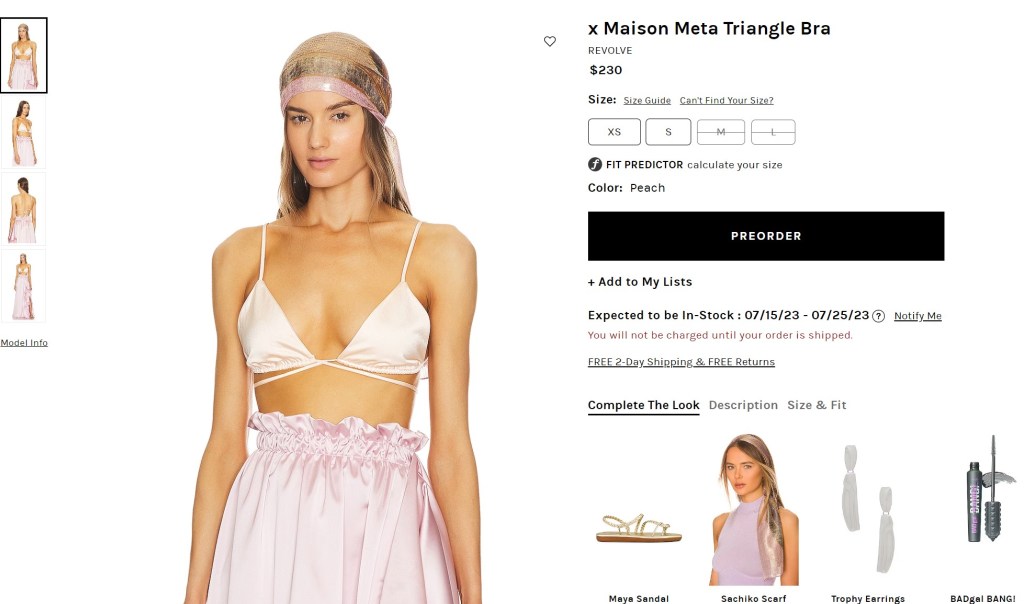
From a concept created on Midjourney transformed into a real-life design for sale on Revolve.
Due to mainly a harsh macro environment, Revolve’s stock has been getting crushed lately. I am unfazed and see every dip as a long-term buying opportunity. Here is why I am not worried:
The company is still net profitable and carries virtually zero long-term debt. Revolve can weather the storm of a waning economy where consumers cut back on discretionary spending.
Active customers, orders placed, and average order value did not decline year over year, which is a sign of brand resiliency and loyalty. Many quantitative analyses of Revolve vastly underestimate its branding and overestimate its year-over-year sales and net income decline.
The qualitative traits of Revolve are still quite strong. Brand strength alone can be a moat for an apparel brand and, in the future, make it more insulated from an economic slowdown.
A brand is tough to value in quantitative or Wall Street analysis because branding is more of an intangible art than a hard science. For apparel companies, brand strength is everything. Ask yourself why many customers pay for yoga pants from Lululemon or Air Force 1 from Nike. These companies don’t necessarily have a sourcing material or a proprietary technological advantage; they have a lifestyle brand advantage.
An aspirational lifestyle brand means creating a great product and a community that people are attracted to and aspire to be part of. Luxury brands attract fickle customers but are intensely loyal. These customers have a big appetite for big spending and shun mass-market offerings. Nike, Lululemon, Apple, and Louis Vuitton passed reasonable valuations and transformed into mega-cap companies.
Revolve is the department store of the future. You take Nordstrom or Sakes Fifth Avenue’s strength, their e-commerce/digital business, and strip out the drag caused by brick-and-mortar. You target exclusively the luxury demographic instead of a race to the bottom into mass marketing and discounting. It’s the perfect synergy of fashion, aspirational lifestyle, and e-commerce.
Revolve recently launched the world’s first AI-generated billboard campaign and invested heavily in the first AI Fashion Week, where the three winners’ collection is made and sold via Revolve or Forward.
I expect Revolve to be a big winner from Generative AI as they have already shown a commitment to growth and innovation. There will likely be a lot of big winners in this space if luxury fashion can profit from AI, but Revolve could be a big concentrated winner. They are investing in AI instead of other struggling retailers offering an unstainable 4% or higher dividend. Revolve doesn’t have the burden of underperforming retail stores, a bloated employee count, or archaic marketing initiatives. Revolve is currently a leader in a niche market, but AI can quickly turn that market much bigger in a shorter period. Think of a market cap 5-10 times bigger than it is now.
In the next three to five years, generative AI could add $150 billion, conservatively, and up to $275 billion to the apparel, fashion, and luxury sectors’ operating profits, according to McKinsey analysis. From codesigning to speeding content development processes, generative AI creates new space for creativity. It can input all forms of “unstructured” data—raw text, images, and video—and output new forms of media, ranging from fully-written scripts to 3-D designs and realistic virtual models for video campaigns. Generative AI has the potential to affect the entire fashion ecosystem. Fashion companies can use the technology to help create better-selling designs, reduce marketing costs, hyperpersonalize customer communications, and speed up processes. It may also reshape supply chain and logistics, store operations, and organization and support functions.
AI should make Revolve more efficient, creative, and, most importantly, more profitable. With luxury fashion, you hear a lot about a personalized experience, and that’s what Revolve provides: A curated boutique shopping experience for a demographic that primarily lives online. Sales are down, but the company is fortifying its brand by maintaining relevancy digitally and in real-life (sponsoring amfAR gala), continuing designer collaborations, and their investment in growth. AI will only improve Revolves ability to provide a super personalized experience to its customers.







 Invest in Myself