
After Joe Biden dropped out of the 2024 Presidential race in July, something notable happened: Zoom, the videoconferencing app, was used as a political rally call for Kamala Harris. On a Thursday summer night, a Zoom fundraiser attracted more than 200,000 viewers, making it the largest Zoom call in history. Several other Zoom fundraising calls have followed, started by diverse communities like “White Dudes for Harris,” “Dead Heads for Harris,” “Cat Ladies for Kamala,” and “Swifties for Kamala.”
I am not interested in discussing Harris’s surge in popularity but in why her supporters decided to use Zoom instead of Google Meet, Microsoft Teams, or Webex Meetings.
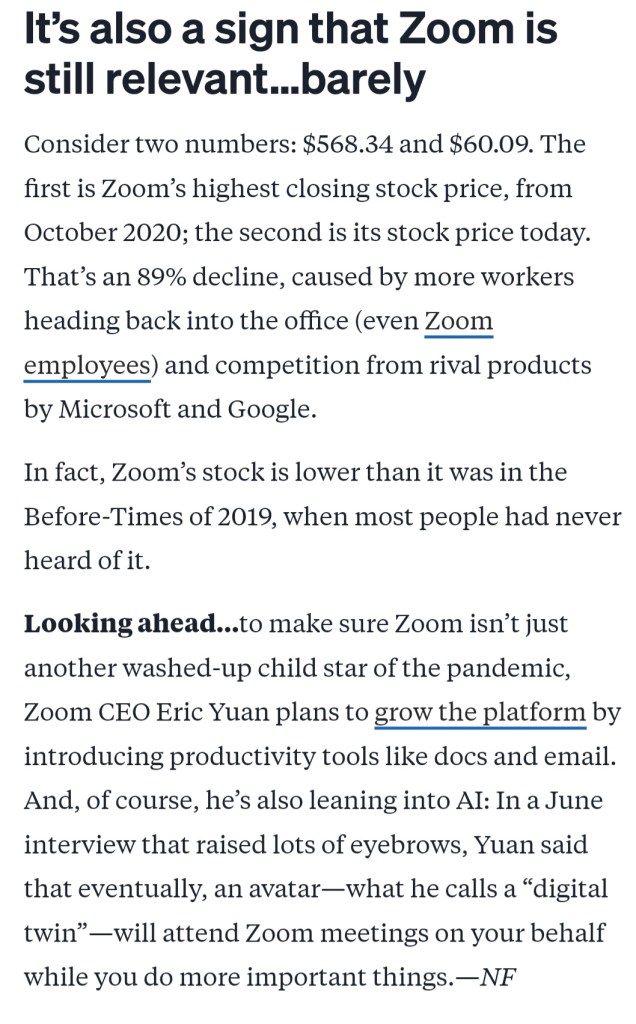
Investors in Zoom should feel confident in the business. Zoom’s death as a pandemic company is greatly exaggerated. The stock appears hated, I guess it’s a symbol or a vestige of a depressing moment in history, yet the fundamentals remain intact.
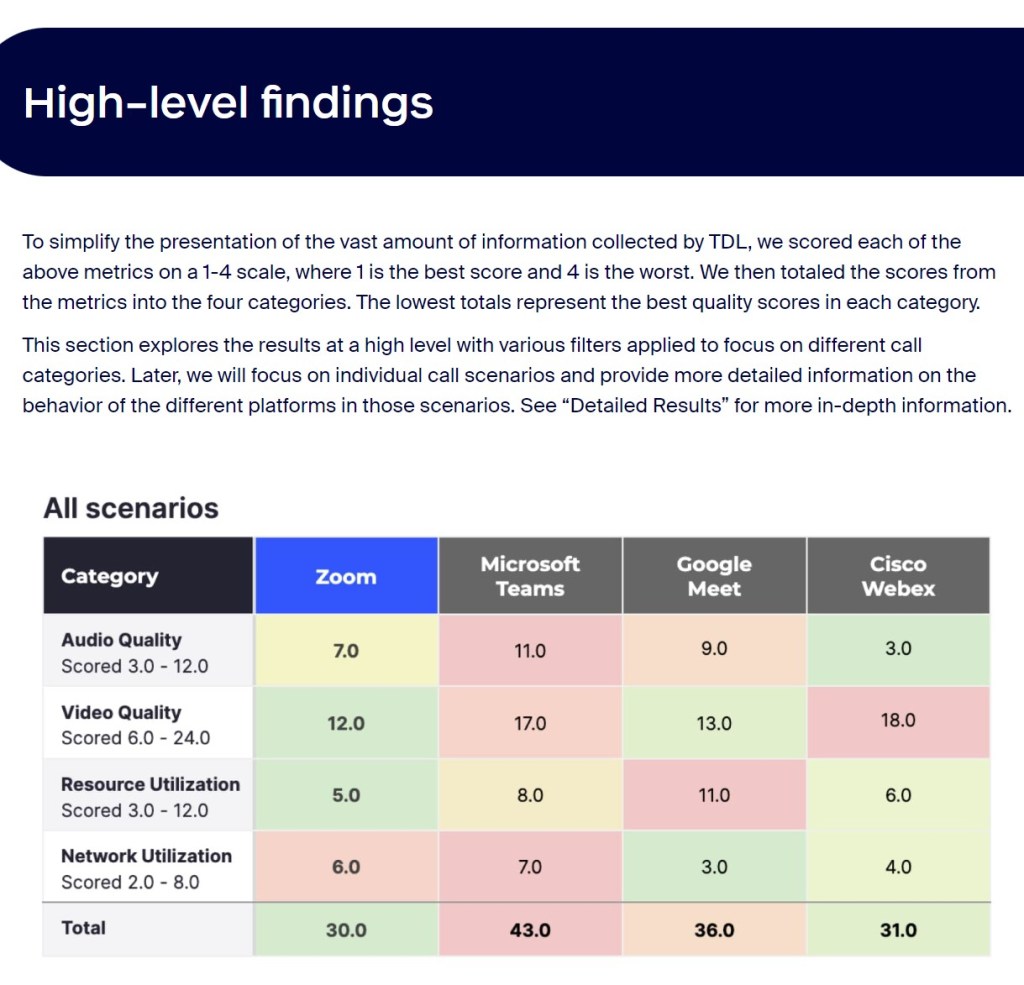
Zoom is the people’s choice because, through empirical testing, its audio and video quality ranked higher than its competitors.
Due to its ease of use, consistency, and complete/advanced features, it also flexes its brand power, even over Microsoft and Google.
Why does this even matter?
Despite the exceptionally bearish sentiment from Wall Street and the financial media, Zoom has proven its resilience. Sentiment, after all, is subjective and can quickly turn around as expectations and emotions change. This should reassure investors of Zoom’s potential.
Perhaps the narrative of Zoom being a pandemic boom-and-bust company is incorrect. The business is operating just fine and taking the necessary steps to transition from a popular one-trick video conferencing app to a full-fledged AI enterprise platform.
The video conferencing space is crowded, with heavy hitters who do not have the same relevance as Zoom on a consumer level.
How many people do you know to use Microsoft Teams outside of a work setting? Shouldn’t Teams or Google have more relevance or usage if it has the same functions and capabilities as Zoom?
Since Zoom is an enterprise tool, consumers downloading and using the app don’t move the needle or meaningfully impact the balance sheet.
It creates a halo effect for the enterprise business and enhances brand recognition.
Zoom is not a social media platform, yet it has brought an impressive amount of users for fundraising purposes, creating a sense of community and energizing supporters.
If Zoom can impact an election and help elevate a candidate into the presidential office, something about the platform gives it a potential competitive advantage with a long-term wide moat. You can argue that Zoom cocktail parties and Zoom Yoga sessions are more of a pandemic-era fad, but affecting voter turnout is much more impactful.
Despite the recent downturn in Wall Street’s sentiment, I remain optimistic about Zoom’s long-term potential. The demographic most comfortable using the platform will eventually dominate the workforce, while those resistant to technological change will phase out. This bodes well for Zoom’s future growth.
Zoom’s platform is not just a tool; it has gained cultural phenomenon status. It’s the preferred choice among Gen Z across various industries, from education to healthcare, legal, events, government, and personal use. Understanding this trend is crucial for anyone interested in technology and its impact on society.
- Zoom meetings, classes, and virtual court hearings are here to stay because they are widely popular, in high demand, and in a growing market.
- Strong balance sheet: Zoom has approximately $7.5 billion in cash and zero debt. Roughly 40% of the company is cash (cash divided by enterprise value), signaling a high margin of safety. Compare that to Salesforce, which has an enterprise value of about $274 billion, $10.6 billion in cash, and $40 billion in debt.
- Founder-led with strong key executives.
- AI-infused with innovative ideas like AI avatars that trend towards the future of enterprise work tools.
- Popular among a demographic that will make up most of the workforce in 10-20 years.
Zoom has become a popular company to “hate on” from Wall Street for various reasons that I believe are mainly irrational and short-sided. I fully expect Zoom to see a lift in revenue and guidance due to its solid fundamentals and riding the right enterprise software trends. If this happens, the narrative of how the company will dramatically shift more positively.
I wouldn’t call what Zoom has a network effect, but the virality appears very sticky. An enterprise app that transcends enterprise and has a profound impact on society outside of just business. Zoom is an attractive investment with much of the downside risk already priced in.
 Invest in Myself