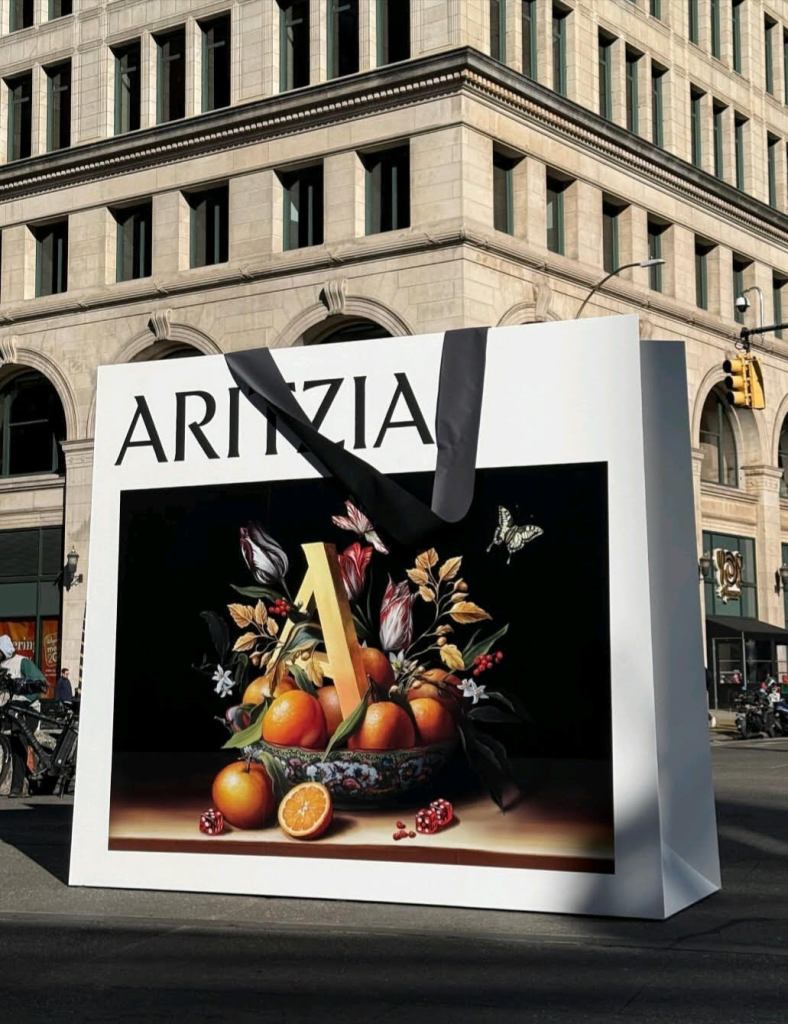
Aritzia’s Q3 FY2026 was one of its best quarters ever—like a walk-off home run in the playoffs. For the first time in the company’s history, they crossed the CAD 1 billion revenue mark in a single quarter, hitting CAD 1.04 billion, up 42.8% YoY.
Aritzia grew sales by nearly 43% while increasing inventory by only 10%. This means their inventory turnover is accelerating and they’re selling clothes almost as fast as they can get them off the trucks. This leads to fewer markdowns and higher full-price selling, which is exactly why their gross profit margin expanded by 30 basis points to 46% this quarter. This 4.3x “Sales-to-Inventory” growth ratio suggests an operational efficiency that makes even the “Mag Seven” look sluggish.
Compare that to Lululemon: Their inventory grew by 11%, but revenue only grew by 7%. When inventory outpaces sales, it usually leads to one thing: markdowns. In fact, Lululemon’s Q3 earnings call explicitly noted that gross margins were squeezed by higher markdowns (up 90 basis points) and tariff impacts. They have ~$2 billion in yoga pants and gear sitting in warehouses that they’re struggling to move at full price.
Aritzia is actually running a more efficient operation relative to its growth than even Nvidia right now. Here’s a quick side-by-side:
| Company | Sales Growth (YoY) | Inventory Growth (YoY) | Ratio (Sales/Inventory Growth) |
| Aritzia | 42.8% | 10% | ~4.3x |
| Nvidia | 62% | ~32% (9M cumulative) | ~1.9x |
| Lululemon | 7% | 11% | <1x |
Aritzia’s ability to scale this aggressively while staying so disciplined on inventory is retail execution at its finest, turning hype into real, high-margin momentum. If you’re looking at consumer discretionary winners in this environment, Aritzia is flexing harder than most realize.
This quarter also saw the late-October launch of the Aritzia Mobile App, which hit 1.4 million downloads and became the #1 shopping app in North America on day one. E-commerce revenue surged 58.2%, proving that “Everyday Luxury” translates perfectly to a high-frequency digital experience.
In 2027, Aritzia isn’t just signing a lease; they’re opening a new 40,000 square foot flagship store of the former Nordstrom footprint in Vancouver’s CF Pacific Centre. Aritzia is officially planting its flag on the grave of the defeated old guard.
This is the coronation of a new king. It marks the definitive shift from the bloated, “everything-for-everyone” department store model to a new, aggressive power dynamic. Aritzia has engineered a psychological moat known as “Everyday Luxury.” This isn’t just fashion; it’s a socioeconomic pivot that captures the soul of the modern consumer:
- High-End Design: The clothes look like they belong on a Paris runway (minimalist, high-quality fabrics, tailored fits).
- Attainable Pricing: Because they control the supply chain, they can sell that “look” for $150–$400 instead of $2,000. By pricing themselves 30–40% below heritage luxury (The Row, Celine) but 20–30% above fast fashion (Zara, H&M), they’ve created a “sweet spot” of attainable exclusivity.
- The Result: They’ve captured the “HENRY” (High Earner, Not Rich Yet) demographic. This group is remarkably resilient to macro downturns because they view Aritzia as a “reasonable” yet “necessary” indulgence rather than an extravagant splurge.
- The Psychology: Since “big” milestones (real estate, stable pensions) are increasingly out of reach for many, the HENRY demographic is reallocating their discretionary cash into “micro-luxuries” that provide immediate status and emotional ROI.
As we are witnessing with Saks, the “department store” represents the old middle class: a place where you go to see a little bit of everything. It’s a dying generalist model in a world that’s increasingly specialized.
- The Old Way: Middle class = Access to variety.
- The New Way: Middle class = Access to a vibe. Aritzia doesn’t just sell clothes; it sells a lifestyle aesthetic. When you walk into their “Super Flagships,” you aren’t shopping; you’re participating in a brand-curated experience.
The stock is trading at record highs with a P/E that reflects “perfection.” But Aritzia is just hitting its stride. They’ve successfully moved beyond “leggings and hoodies” into a full-wardrobe solution. It isn’t just superb execution by management; it’s capturing the vibe of today’s consumer.
I bought the stock as a small position in 2023 and have held it and will continue to hold it. If we’re using a baseball analogy, we are still very early. For Aritzia’s growth, we haven’t even entered the 7th inning stretch. Aritzia currently has roughly 72 boutiques in the US (out of 139 total). For context, Lululemon has about 374 stores in the US. Aritzia’s stated goal is ~150 boutiques total by 2027, with long-term potential for 180- 200+ overall, focusing heavily on US expansion (8-10 new boutiques annually, mostly in the US). If Aritzia hits its 150-store near-term target, revenue will likely triple as brand awareness hits a tipping point.
I am officially pegging Aritzia as a stock to buy during a market correction or pullback. Unlike legacy retailers, Aritzia is currently expanding its US footprint into a demographic that views “Everyday Luxury” as a non-negotiable part of their personal identity. This psychological moat, combined with an operational efficiency that is scaling faster than its infrastructure costs, makes Aritzia uniquely qualified to weather consumer weakness better than almost any peer in the sector.
If the market gives me a discount on this level of execution, I’ll take it.
 Invest in Myself