Did Zoom Save Democracy?

After Joe Biden dropped out of the 2024 Presidential race in July, something notable happened: Zoom, the videoconferencing app, was used as a political rally call for Kamala Harris. On a Thursday summer night, a Zoom fundraiser attracted more than 200,000 viewers, making it the largest Zoom call in history. Several other Zoom fundraising calls have followed, started by diverse communities like “White Dudes for Harris,” “Dead Heads for Harris,” “Cat Ladies for Kamala,” and “Swifties for Kamala.”

I am not interested in discussing Harris’s surge in popularity but in why her supporters decided to use Zoom instead of Google Meet, Microsoft Teams, or Webex Meetings.

Investors in Zoom should feel confident in the business. Zoom’s death as a pandemic company is greatly exaggerated. The stock appears hated, I guess it’s a symbol or a vestige of a depressing moment in history, yet the fundamentals remain intact.

Zoom is the people’s choice because, through empirical testing, its audio and video quality ranked higher than its competitors.

Due to its ease of use, consistency, and complete/advanced features, it also flexes its brand power, even over Microsoft and Google.
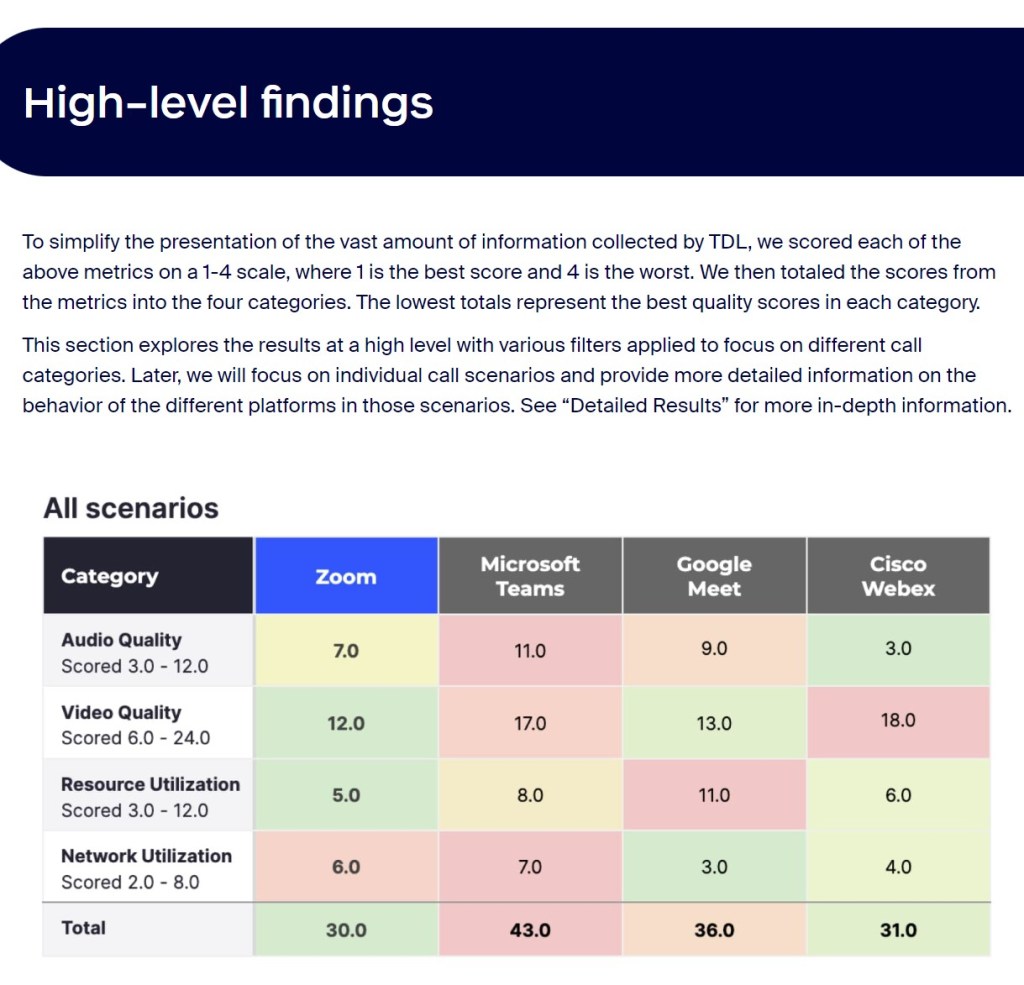
Why does this even matter?

Despite the exceptionally bearish sentiment from Wall Street and the financial media, Zoom has proven its resilience. Sentiment, after all, is subjective and can quickly turn around as expectations and emotions change. This should reassure investors of Zoom’s potential.

Perhaps the narrative of Zoom being a pandemic boom-and-bust company is incorrect. The business is operating just fine and taking the necessary steps to transition from a popular one-trick video conferencing app to a full-fledged AI enterprise platform.

The video conferencing space is crowded, with heavy hitters who do not have the same relevance as Zoom on a consumer level.

How many people do you know to use Microsoft Teams outside of a work setting? Shouldn’t Teams or Google have more relevance or usage if it has the same functions and capabilities as Zoom?

Since Zoom is an enterprise tool, consumers downloading and using the app don’t move the needle or meaningfully impact the balance sheet.

It creates a halo effect for the enterprise business and enhances brand recognition.

Zoom is not a social media platform, yet it has brought an impressive amount of users for fundraising purposes, creating a sense of community and energizing supporters.
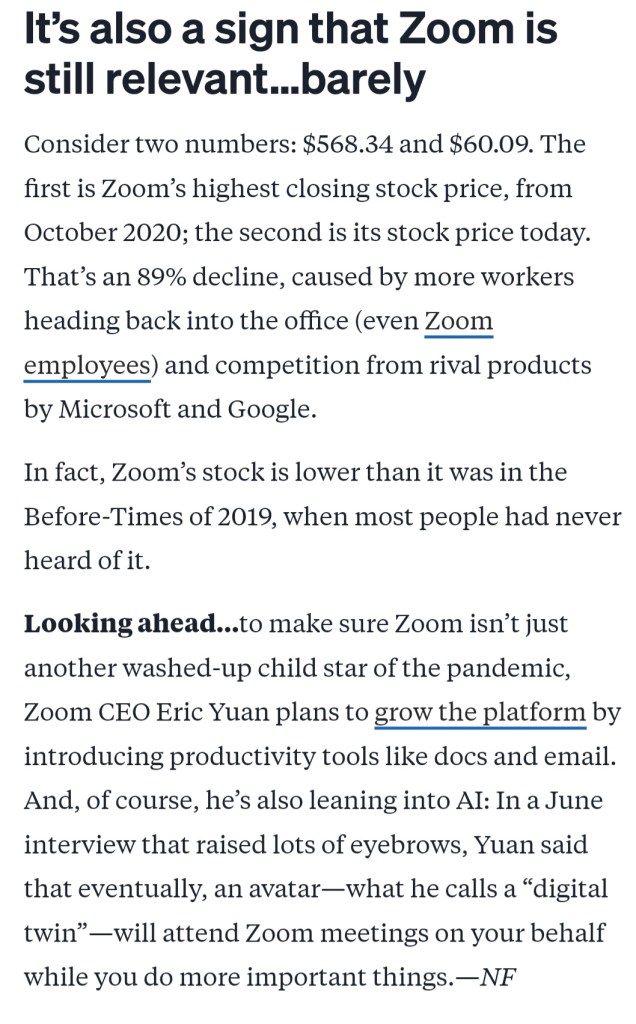
Unnecessary negative-slanted wording from a Morning Brew newsletter

If Zoom can impact an election and help elevate a candidate into the presidential office, something about the platform gives it a potential competitive advantage with a long-term wide moat. You can argue that Zoom cocktail parties and Zoom Yoga sessions are more of a pandemic-era fad, but affecting voter turnout is much more impactful.

Despite the recent downturn in Wall Street’s sentiment, I remain optimistic about Zoom’s long-term potential. The demographic most comfortable using the platform will eventually dominate the workforce, while those resistant to technological change will phase out. This bodes well for Zoom’s future growth.

Zoom’s platform is not just a tool; it has gained cultural phenomenon status. It’s the preferred choice among Gen Z across various industries, from education to healthcare, legal, events, government, and personal use. Understanding this trend is crucial for anyone interested in technology and its impact on society.

  • Zoom meetings, classes, and virtual court hearings are here to stay because they are widely popular, in high demand, and in a growing market.
  • Strong balance sheet: Zoom has approximately $7.5 billion in cash and zero debt. Roughly 40% of the company is cash (cash divided by enterprise value), signaling a high margin of safety. Compare that to Salesforce, which has an enterprise value of about $274 billion, $10.6 billion in cash, and $40 billion in debt.
  • Founder-led with strong key executives.
  • AI-infused with innovative ideas like AI avatars that trend towards the future of enterprise work tools.
  • Popular among a demographic that will make up most of the workforce in 10-20 years.

Zoom has become a popular company to “hate on” from Wall Street for various reasons that I believe are mainly irrational and short-sided. I fully expect Zoom to see a lift in revenue and guidance due to its solid fundamentals and riding the right enterprise software trends. If this happens, the narrative of how the company will dramatically shift more positively.

I wouldn’t call what Zoom has a network effect, but the virality appears very sticky. An enterprise app that transcends enterprise and has a profound impact on society outside of just business. Zoom is an attractive investment with much of the downside risk already priced in.
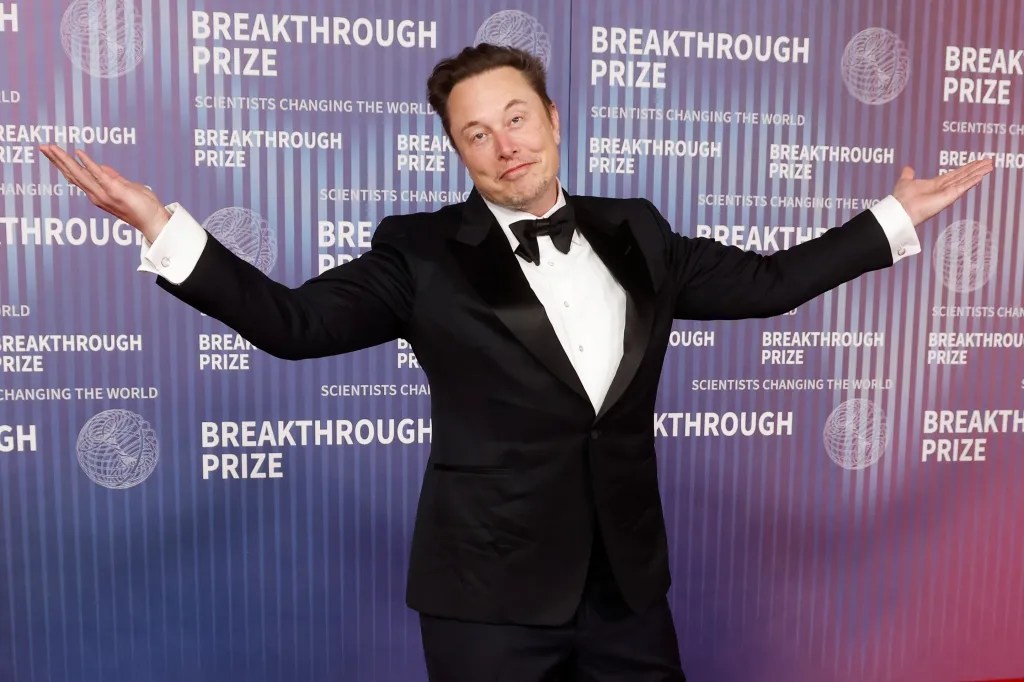
Voting for Elon to Save Tesla’s Soul

Why Tesla Shareholders should emphatically vote to approve Musk’s $56 Billion pay package

Musk’s compensation isn’t just about dollars; it’s about shaping Tesla’s destiny and soul. As shareholders, we are not just passive observers but active participants in this journey. Our votes on his pay package are a direct reflection of our belief in his vision and our commitment to Tesla’s future.

Under Musk’s guidance, Tesla’s stock price has skyrocketed, defying recent market turbulence. This dramatic rise starkly contrasts the stock’s value in 2018, which was a mere $21. Long-term shareholders have reaped substantial financial gains from this growth, a clear testament to Musk’s undeniable influence. This is not a personal viewpoint but an impartial, nonpartisan, indisputable reality.

Musk’s strategic decision-making has been a driving force behind Tesla’s success. Against all odds, he has led the charge in electric vehicle and clean energy innovation, reshaping entire industries. His ongoing leadership is not just important; it’s crucial for maintaining Tesla’s competitive edge and ensuring a prosperous future for the company. The potential loss of his leadership should inspire every shareholder to vote in favor of his compensation package.

Tesla’s long-term vision hinges on visionary guidance. Voting on compensation reflects shareholders’ trust in Musk’s ability to steer the company toward its goals. Elon’s compensation package is entirely contingent on achieving ambitious targets. If Tesla fails to meet specific triggers, Musk receives no compensation. This ensures that his pay is directly linked to the company’s success, aligning his interests with the shareholders. This alignment of interests should foster trust and confidence in every shareholder.

Tesla shareholders should ask themselves why they invested in the company in the first place. How many cars they sell this quarter or next quarter is less important than how they are positioning themselves for a Robotaxi world. This is an AI and Robotics company. Shareholders who dislike Musk or want to invest in a typical car company that achieves predictable quarterly numbers can choose from a bevy of other publicly traded companies.

Actual long-term Tesla shareholders don’t see Tesla as a car company; they see it as a venture with a start-up mindset into sustainable energy, AI, and software development. At heart, the vision is greater than just manufacturing vehicles. There is a clear line in the sand. Do you want Tesla to attempt to achieve moonshot or be a mediocre car company run by a Wall Street figurehead chasing predictable quarterly numbers?

If you vote no, you clearly communicate that you do not want Elon running Tesla. It’s a big middle finger to spite someone when the sentiment and stock price are low. Accelerate the transition to sustainable energy, revolutionize transportation, and produce humanoid robots at scale vs. grabbing low-hanging fruit and achieving goals with lower-moderate upside?

The rhetoric being spewed by pundits is biased, carrying a political agenda. Elon Musk’s loudest and most vocal critics are likely not Tesla shareholders, meaning they have no skin in the game. Think about it. Why would you “invest” in a company with a CEO you find deplorable? Does that make sense?

A story about business and technology has been hijacked by partisan fundamentalists. This rabid audience is tribal and less open to listening to opposing views. Elon Musk has been tagged as a villain that commentators will continue to deride. They have used the recent downturn in the stock as ammunition to defend their ideology.

Attacking Elon Musk has become a proxy for attacking President Trump. It’s that simple. These pundits are not your friends and are far from advocates of unbiased investment advice. Tesla stock could 100x and produce more than 200 million all-electric cars in a year; Elon Musk is still a con man to them, and the company is still a bad investment. Facts, data, and performance don’t change a fundamentalist’s opinion. It also won’t get them to admit they are wrong. The goal is to see Elon and Tesla fail spectacularly. Ask yourself if their interests align with yours as a shareholder.

I have voted yes because Elon’s pay compensation is necessary and mission-critical to Tesla’s future growth. Not voting for this package could potentially have catastrophic consequences. Losing his leadership would be a setback for Tesla and the future of our society as a whole. Musk is a man on a mission, and we as a society are in debt for his projects, which are critical to improving humanity through Tesla, SpaceX, Neuralink, The Boring Company, X, and xAI.

Elon Musk has revolutionized the electric car industry and taken on unimaginable financial and reputational risks. His sacrifices and suffering paved the way for Tesla’s success, allowing shareholders to thrive. This pay package is a testament to his past performance and a powerful incentive for future success. I voted yes because it keeps the trailblazer in place and re-positions Tesla into propelled growth for the next decade.