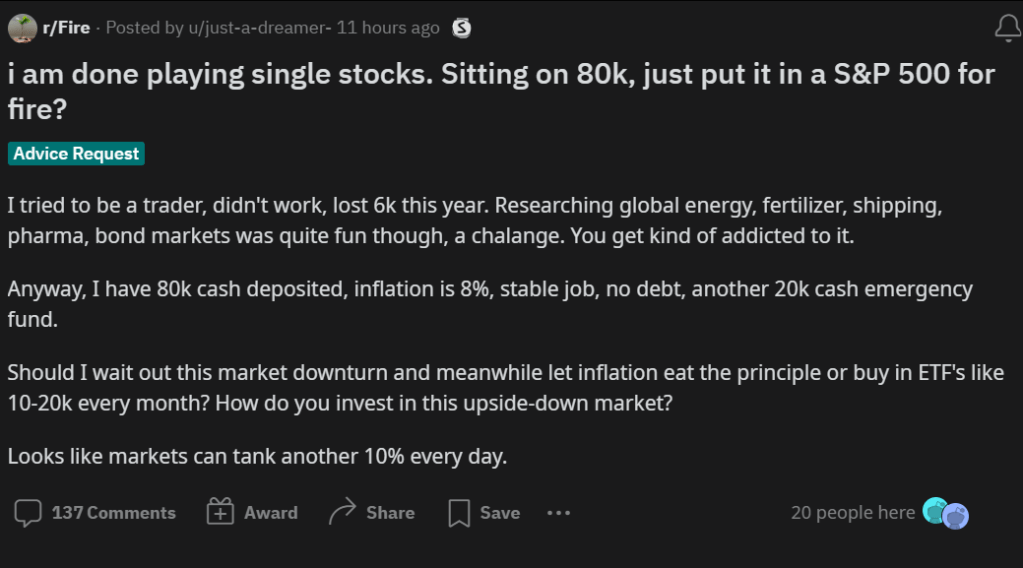
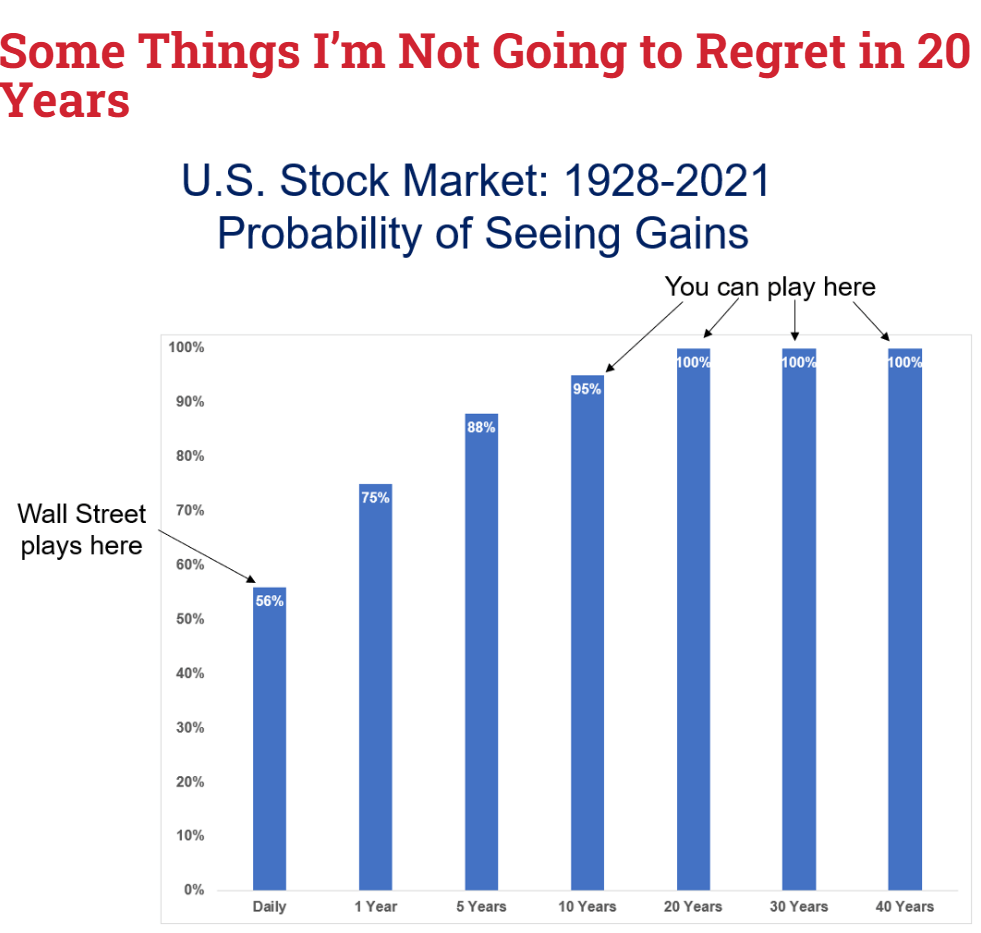
After reading this Reddit post, I thought of one of the best Warren Buffett quotes: “If you aren’t willing to own a stock for ten years, don’t even think about owning it for ten minutes.”
If you are “playing” stocks, you are gambling, not investing. Go to a casino or bet on your sports if you want to gamble. People can gamble with stocks, but you need an actual specialized strategy and skillset to succeed.
Most people do not know where the market is going in the short term. Most long-term investors say it is not even possible to make these predictions. There is more safety in buying ETFs; however, ETFs, Indexes, and Mutal Funds most likely tank along with individual stocks in a recession or a sharp downward market.
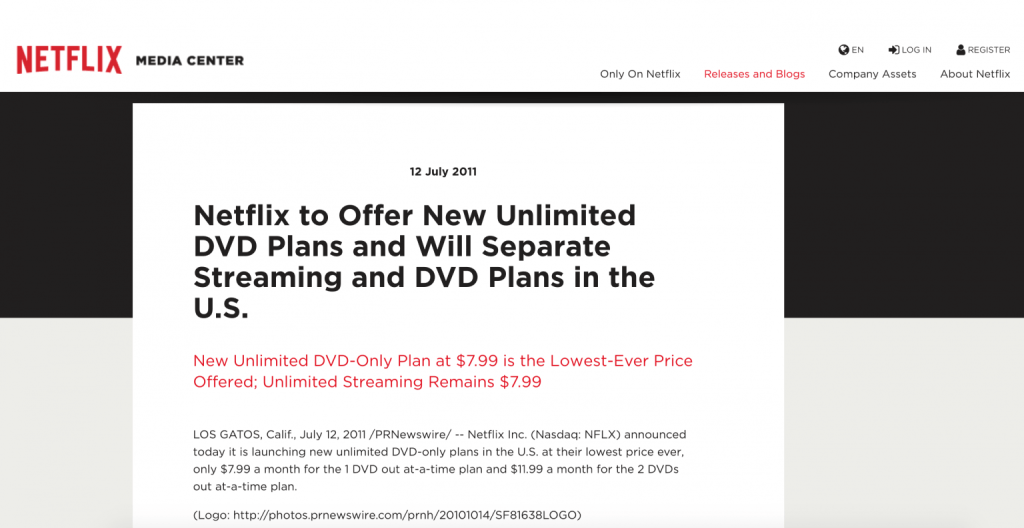
An investor’s best friend is time. I remember an investor telling me a story about buying stock in Netflix in 2011. The stock price cratered by 80% because they hiked the cost of their service by more than 60%.
If you had bought Netflix stock at the high of 2011 and saw your shares crash 70-80%, you would still be up by 300-400% today! If the stock price can recover, you are likely back up over 1,000%, as you were in 2021.
Watching a stock you sold soar x1,000% in price is a terrible feeling. Imagine if you bought into Netflix and believed in their streaming service plans back in 2011….. but due to fear, you completely sold out and missed out on all those gains. That is the worst type of pain you can experience. Even worse than watching a stock price fall to rock bottom. Imagine how the co-founder of Apple felt who quit and sold his 10% of Apple back to Steve Wozniak and Steve Jobs for $800 in 1976.
If you are playing with stocks do not forget these are real businesses run by real people. By owning just one share, you are a shareholder of the company. Most games you play produce binary events, winner or loser. Business is quite a bit more multifaceted. There could be several winners or several losers. Some companies can lag for decades and eventually become grossly profitable.
Always remember time is the most powerful force in investing. It makes little things grow big and big mistakes fade away.
Elon Musk recently tweeted a brilliant yet straightforward investing strategy that can make you wealthy. “Since I’ve been asked a lot: Buy stock in several companies that make products & services that you believe in. Only sell if you think their products and services are trending worse. Don’t panic when the market does.”
Simple yet powerful.
Most of the supposed long-term investors are gone during this sharp market sell-off.
Growth stocks or high beta volatile companies have gotten out of favor with the “experts,” fund managers, and retail investors. Just tune in to CNBC and hear how the market will continue to go lower and high-flying stocks like Shopify and Nvidia have no bottom. Ironically, just six months ago, the same people said these were must-own stocks in an investor’s portfolio. Everything is selling off despite the quality of earnings.
Stocks go up. People say buy, and you buy; Stocks go down. People say sell, and you sell.
Welcome to Wall Street.
Listening to the herd will lead to mediocre results. Macroeconomic headwinds have become more important than fundamental metrics, and everyone should mostly be in cash or defensive positions. Haven’t you heard? High-growth tech stocks are uninvestable for the next six years!
Although Musk offers solid value-investing advice, few people can follow it. That is because humans are, by nature, poor investors.
Why do so many people sell all their holdings during steep market drops and move into bonds, gold, and cash?
It’s easy to be a long-term investor during a bull run. It’s easy to buy and hold stocks when everything is going up.
There is only one reason to buy a stock. There are several reasons why someone sells. Fear drives most selling decisions, especially during this market downturn. Humans are good at surviving, so the justification for selling stocks when they are down big would be like our brain telling us to take our hand off the stove.
“Life is a comedy to those who think, a tragedy to those who feel.” – Jean Racine
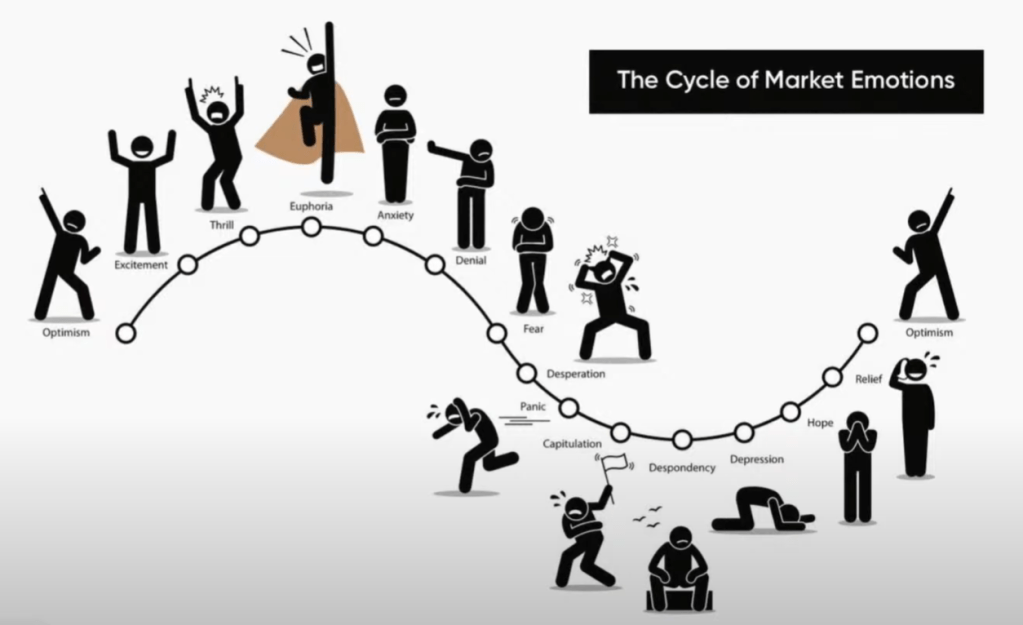
There is a cognitive dissonance that investors deal with daily. When the market goes up, people often experience euphoria. Emotions can come into play, and we become seduced by market gains. During euphoria, everything works. If stocks keep going up 5% every day, they must be doing well, and people start justifying buying stocks at ridiculously high evaluations. When the script flips and the market goes down, fear creeps in. We become obsessed with falling prices and sell stocks of companies that are fundamentally intact as a way to end the pain we are feeling. This fear can lead us to sell stocks at ridiculously low evaluations.
These cycles of market emotions are why it is crucial to have a level head if you are a long-term investor. I try to always stay in the optimistic stage of market cycles. Not too despondent to avoid all risk and not too euphoric and disregard valuation.
Think of investing as trying to maintain homeostasis. Homeostasis, from the Greek words for “same” and “steady,” refers to any process that living things use to actively maintain fairly stable conditions necessary for survival. In our everyday life, we often make the best decisions in homeostasis. Think of a time when you have gotten little sleep, didn’t eat anything for a prolonged period, or were sick. That’s not the best state to be making important life decisions.
There is constant chatter and noise from the market that moves us away from homeostasis for a prolonged amount of time. Times like these allow investors to start making irrational decisions based on emotion instead of sound logic.
Human tendency to conform, especially when in large groups, is terrifying. Propaganda machines leverage this throughout human history.
The way out is to think freely, detached from the divisive narratives of the day that masquerade as universal truths.
People may fear selling their entire portfolio because they don’t want to see it go to zero. That’s irrational and highly unlikely. Ask someone who fears flying why they drive to work every day when the risk of getting in an automobile crash is significantly higher than being in a plane crash.
No matter how much sense it makes to fly, we wouldn’t want someone with an intense fear or phobia of flying to get on a plane because it makes more logistic sense. It could put someone in an uncontrollable downward spiral. Investing is the same way. If you cannot manage your anxiety, you should consider not investing. Long-term investing requires you to feel uncomfortable. The emotional aspect of investing is just as important, if not more than the technical aspect. In times like this, thinking critically, building conviction, and ignoring the herd mentality are necessary, making you vulnerable. We start seeing who has the temperament and those that sell out and leave the market altogether.
Regarding technology stocks like Amazon and Shopify, yes, consumer behavior is returning to where it was in 2019. Recently we have seen e-commerce slow down, but this isn’t a secular decline. It may seem like that, but I would chalk that up to significant pent-up demand for going outside due to the pandemic. Growth is going back to the trend line before the pandemic, but not below it. Do not mistake this as a secular trend as a peak for e-commerce and a significant comeback for physical stores. I question any analyst who thinks there will be a long-term decline in people shopping online, playing video games, or streaming. These activities trended upwards before the pandemic and will continue to do so in 2023 and beyond.
Today stocks are cheaper and more reasonably valued. Many of these companies are fundamentally okay, in much better shape than 2-3 years ago. Tesla and Apple reported stellar earnings and met most analysts’ expectations. In this market, that doesn’t matter. Their stock prices fell massively.
Eventually, the mood will change, and fundamentals will matter again. Expectations and comps will be so low that companies will easily beat earning expectations, likely causing their stock prices to rebound.
My advice? Relax. Any long-term investor will go through dark times. Bad stuff happens if you are in the game for the long term. It is unavoidable. Like in life, you get sick, lose a job, get dumped, divorced, etc. Pain is a part of life. The great thing about investing is that the probability of you “winning” is very high with time as the greatest weapon against noise and sentiment. Ultimately the market will return to its homeostasis as it always does.
The last point I want to cover is that investing in single stocks is too risky compared to a broad-based, passively managed index fund. You have to look at it from a risk-reward tradeoff like all investing. When you invest in an index, you are striving for average results. It is investing on autopilot. To strive for certainty is to doom oneself to mediocrity. There is nothing wrong with mediocrity as that can still net you six or seven figures. The risk is low-medium, with the reward being medium-high. With single stocks, the risk is medium-high, with the reward being high-exponentially high. There are no outsized returns investing in a broad U.S stock index fund. Most ambitious people do not strive for just average results in school, life, professionally, personally, etc. Why is it acceptable to be an average investor, especially when exponential gains are possible? The two greatest weapons an investor has is time and temperament. If an investor of single stocks uses those two controllable weapons in their favor, the risk profile decreases significantly.
Morgan Housel is a partner at The Collaborative Fund, an expert on behavioral finance and history. He is a wealth of sage advice during times like this. Here are some of the best quotes I have found from his blog:
The world is governed by probability, but people think in black and white, right or wrong – did it happen or did it not? – because it’s easier.
If you said something will happen and it happens, you were right. If you said it will happen and it doesn’t, you’re wrong. That’s how people think, because it requires the least amount of effort.
Every investor is making a bet on the future. It’s only called speculation when you disagree with someone else’s bet or time horizon.
When there are no recessions, people get confident. When they get confident they take risks. When they take risks, you get recessions. When markets never crash, valuations go up. When valuations go up, markets are prone to crash. When there’s a crisis, people get motivated. When they get motivated they frantically solve problems. When they solve problems crises tend to end.
Good times plant the seeds of their destruction through complacency and leverage, and bad times plant the seeds of their turnaround through opportunity and panic-driven problem-solving.
One of the Navy SEALs from the Bin Laden raid wrote a book about his life in the military. Technical skills are important to be an effective soldier, he wrote, but “one of the key lessons learned early on in a SEAL’s career was the ability to be comfortable being uncomfortable.” Same in investing.
Best of luck to anyone reading this. Just remember, you can sell your entire portfolio to avoid further losses. You aren’t guaranteed to participate in the recovery. You would have to time the market perfectly. A long-term investor is guaranteed to suffer through steep losses but is also guaranteed to reap the rewards of an eventual recovery. Some people do not believe a recovery is coming. Stocks are in the doghouse indefinitely. If you believe this, then yes, you should sell your portfolio. However, you are betting against America’s prosperity, which Warren Buffet has recommended not to do. Do you want to bet against America in the long term? That seems like a losing bet.
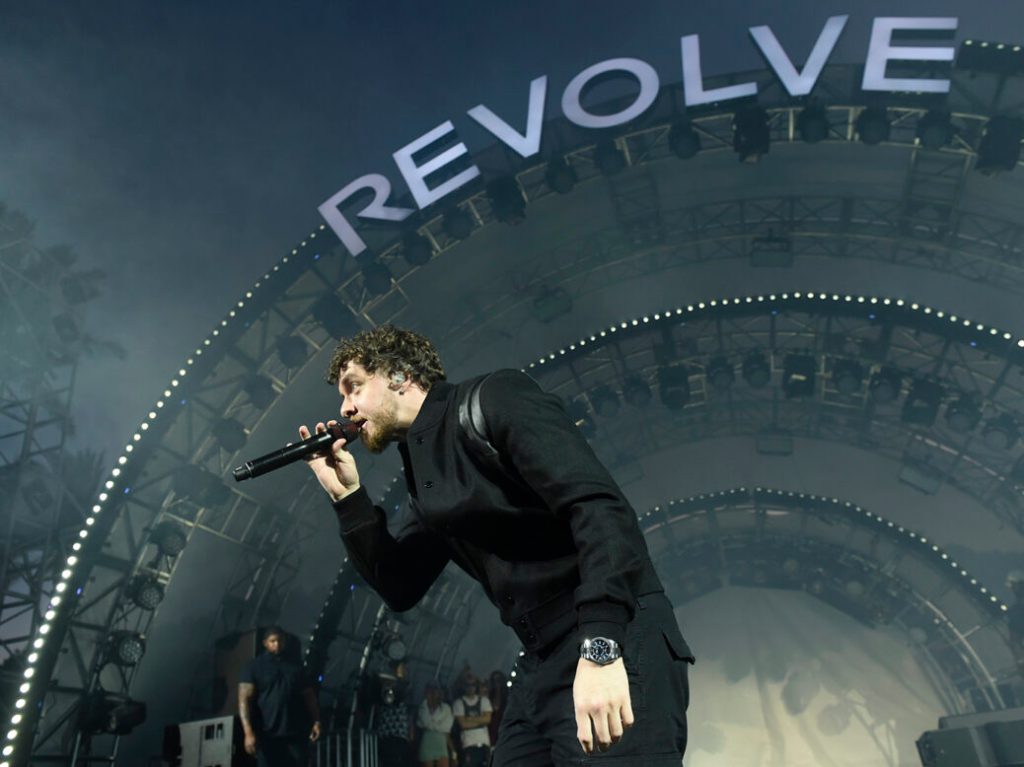
LA QUINTA, CALIFORNIA – APRIL 17: Jack Harlow performs onstage during the REVOLVE x The h.wood Group Present REVOLVE FESTIVAL at Merv Griffin Estate on April 17, 2022, in La Quinta, California. (Photo by Vivien Killilea/Getty Images for REVOLVE)
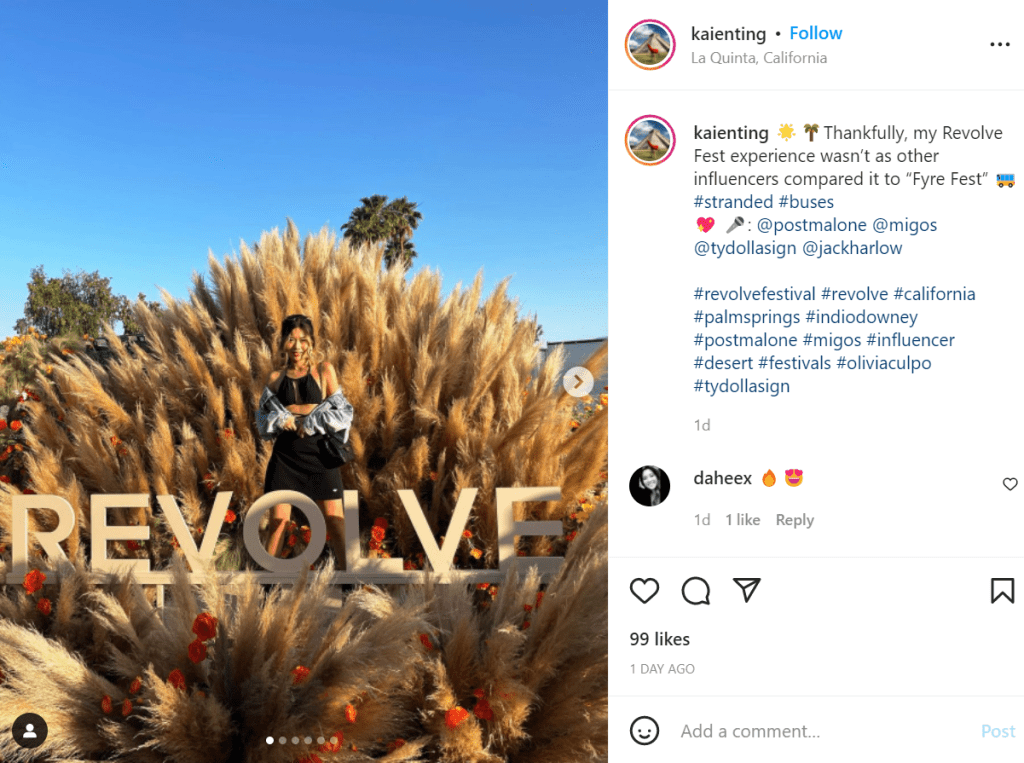
The media ran with the story of Revolve Festival being compared to Fyre Festival 2.0. In the short term, it does not help the company’s brand; however, the story has died down and has minimal impact on its intrinsic value.
I am an investor in Revolve. Group. I have never bought anything on their website and am nothing close to a social media influencer. I do not even have a Tiktok account. Revolve Festival’s negative attention ma worried me as an investor; however, the story is sensationalized as a non-story disguised as a major headline.
Frye Festival was a fraudulent festival. It was a con in the Bahamas where people spent between $1,000 and $12,000 on tickets for a fake event. The organizer of the event is now in prison.
The Revolve Festival is an actual invite-only event that was launched in 2015. People had to wait in long lines for shuttle buses and were stuck in the heat with no food or water. Those that attended the festival had a great time, but the negative criticism is mainly from those that waited and never got in.
I do not mean to point out the obvious, but any major event with high demand will see long wait times. The people that get preferential treatment are the super influencers and A-List Celebrities.
I am reminded of the song “That’s Life,” which Frank Sinatra made famous in 1966.
Revolve made a logistical error in inviting too many influencers for an exclusive invite-only event. They could have done better, but the headlines sound like a complete overreaction to what actually happened. Micro-influencers are complaining that they were treated like commoners.
Revolve group had profits of $99.8 million, up 76 percent from $56.8 million in 2020 and ahead of the $35.7 million seen in 2019. Sales of $891.4 million rose 54 percent from $580.6 million in 2020 and exceeded the $601 million total in 2019
Being a non-expert on this subject matter, I looked for experts’ opinions on the subject matter. From blogger Elise Purdon:
Revolve Fest has become one of the biggest and most important networking opportunities for influencers, especially smaller ones, every year, and many are dying to get in to advance their careers. Some of their reactions were likely driven by career anxiety of missing the festival and thus a huge opportunity, rather than being sweaty and bored. “The real problem is that Revolve has such a power over the industry that people are willing to fight and shove and stand all day in the desert to try and get on a bus to get into this thing where they aren’t even getting paid to create free advertising,” she said. (Many influencers receive store credit in exchange for posting about the invite-only event, according to reports).
Revolve Festival is the creme de la creme event for influencer marketing, explaining the crazy demand they get. The festival has become more prominent than the actual festival, Coachella. They get more likes and impressions than H&M, Coachella’s official partner. Revolve has been running circles around global brands that bring in billions every year. The influencers complaining are likely the same people that would pay $10,000 or more to attend this festival if they could be treated like Kim Kardashian or Kendall Jenner.
Revolve Festival is a signal of Revolve entering the slope of its growth S-Curve. Revolve is as much of a clothing company as Tesla is a car company. They have an army of social media influencers who will get bigger and stronger. The company is multiplying, and the overall sector is expanding as well. For an investor, that’s what you want to see.
I respect social media influencers because it takes tremendous talent and hard work to amass millions of followers. They are hungry entrepreneurs trying to build their careers. Influencers are the lifeblood of Revolve and are necessary for their future growth. I compare the importance of influencers similar to software engineers for companies like Google, Meta, Tencent, etc. Tech companies need talented software engineers to grow their companies. They get paid a lot because there is such a low supply of them on the job market. The best influencers actually make as much money as the best software engineers, which, you can argue, makes them more valuable.
The negative headlines will likely die down. Disgruntled engineers leave tech companies every day, so Revolve can’t please all their influencers. There is no call for a boycott or cancel Revolve Festival because this story is a non-story. This will do nothing to stop the demand for events like this. Revolve understands the value of influencers and provides them attractive compensation packages. They are one of the few companies that pay influencers like tech companies pay software engineers. Until companies like Macy’s and Nordstrom adopt this model, Revolve will continue to take their lunches as they have been doing for the past 5 years. The cost of paying influencers will be significantly higher in the future. Revolve is paying discounted rates for influencer marketing, leading to stellar revenue growth. By the time traditional retailers react and Revolve groups lose their moat, they could be a mega fashion conglomerate. The growth train has started, and it will be hard to stop.
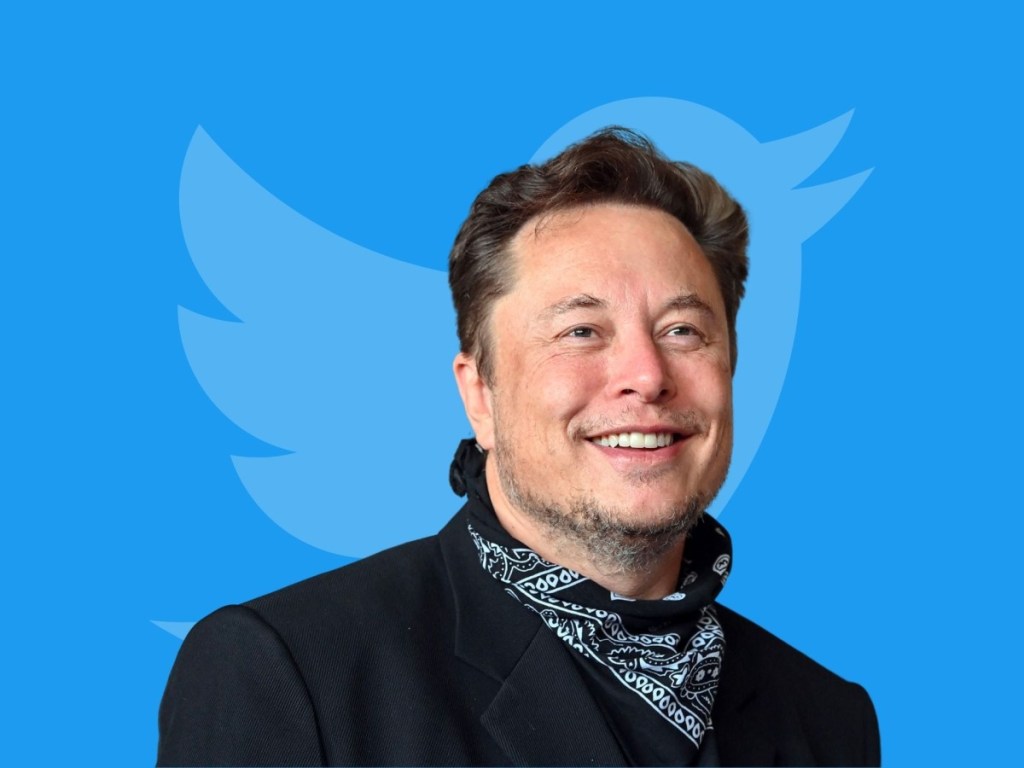
Elon Musk has offered $43 billion to buy Twitter, a platform on which he has over 80 million followers.
My initial thoughts: Twitter the application is still an important social networking platform for breaking news and communicating with people. As an investment? It is a dumpster fire.
Twitter was one of the first stocks I have ever bought. The stock price I bought was under $20. My reasoning was that it is still a great product, and management would eventually have a plan to fix its stagnating user growth and inconsistent revenue growth. Most importantly, Donald Trump becoming the 45th President of the United States would send the stock soaring. He would end up sending almost 24,000 tweets as President.
Despite the attention Trump gave Twitter, it did not solve its lagging user growth issue. I ended up selling my shares of Twitter for around $38-40 and concluded the company was not a good long-term investment anymore.
My hypothesis on successful social networking sites is that they have a 5-10 year runway of max popularity and user growth. Each generation wants its own space, as it seems naive to think that those in their 20s will hang out on the same app as those in their 30s, 40s, 50s, etc. The principles of managing a networking site are not much different than running a big social club or gathering place. As the event organizer, it is your job to get as many people to attend and monetize each attendee. There is a ton of competition, so the organizer needs to keep attracting new people.
Twitter missed its best opportunity to generate revenue and users from 2010 to 2020. Facebook became a powerhouse through the network effect, and Twitter failed to capitalize when its window was open. Things like Tip Jar, Super Follows, and Ticketed Spaces were good ideas when Snapchat and Tiktok were not even a thing, but the landscape today in social networking is more competitive and challenging.
From an investment standpoint, Twitter is the Ben Simmons of stocks. Stephen A Smith has stated, “Ben Simmons is a jump shot away from being the second coming of Lebron James.” No matter how talented and good a player Simmons is, there is no reason to guard him if he refuses or is afraid to shoot 3-pointers. A starting guard in the NBA should make at least 100-200 3-point attempts in an entire season. Simmons, in his career, has only attempted 34 3-pointers his entire career! Simmons is a talented people player but does not attempt outside shots even when unguarded. Twitter is an influential company that many people know about but is not widely profitable or used.
Elon Musk is in for a bad time.
I’m not sure he’s prepared to take on a couple PhDs, a few MBAs, and a Baroness who use Twitter once a year (to reset their passwords) and collectively own 77 shares of the company. pic.twitter.com/sJmKwHbzVh
Twitter is a conundrum whose best days are behind them. It is a rudderless ship. Who exactly runs them? The new CEO does not even own 1% of Twitter shares. They continuously fail, and I see only three options left:
Elon Musk buys Twitter and takes them private.
Twitter employees do not want him, the Twitter board does not want him, and the government will do everything to nix this deal. Making Twitter a pro-free speech platform sounds good from a constitutional theoretical perspective, but in reality, it is something that scares politicians. When you ask Americans broad questions like if freedom of speech should be protected or if people can express unpopular opinions, you have a consensus. When you ask more specific questions, like should people express anti-COVID-19 information or if Neo-Nazis should be allowed to march in a town with a majority Jewish population, you start getting polarization and divergence.
Twitter gets bought out by another company.
Meta and Google are dealing with their own antitrust issues, so adding Twitter would be a headache. The Federal Trade Commission approving Meta or Google acquiring Twitter is more likely than Elon Musk buying them. Disney, PayPal, Microsoft, Salesforce, Netflix, and Oracle, could all be potential buyers. This would be the best-case scenario for a tech giant or white knight to come in and take over. However, I doubt any company would want to pay more than the $43 billion Musk offered.
Remain a public company.
Twitter keeps the status quo, with little insider ownership and lofty goals likely never met. Sure, there is a lot of upside potential, but the problems in 2016 are the same today.
“With no controlling shareholder and major activist investors as shareholders, if the company does not execute, Twitter’s days as an independent company are probably numbered.” Jonathan Boyar, managing director at Boyar Value Group, which owns more than 38,000 shares in the social media platform, with a rough valuation of $1.75 million.
Twitter itself is one giant ecosystem. Compared with Meta Platforms, a more extensive ecosystem with other ecosystems interconnected. You can argue that Facebook is more dated than Twitter, but Facebook is just one facet of Meta Platforms. Look at Facebook as the Capital of Meta. You have Instagram, Whatsapp, and Oculus VR. These are the cities that make up a giant state in Meta. Here is the entire list of companies that Meta has acquired. While Facebook has grown where it is now only one aspect of Meta, Twitter is just…… Twitter.
When I was a Twitter shareholder, I had an underlining suspicion that management was incompetent and void of leadership. Twitter could have been a tech giant, but the company has languished. It is an aging platform with medium growth potential. Under the proper guidance, it could be a nice add on to a parent company (think when Louis Vuitton acquired Tiffany); however, its value has significantly declined since its prime.
Meta is not the most innovative or coolest tech company anymore; however, they are the most influential. They have billions of people in their sphere with a war chest of data and cash at their disposal. The leadership team at Meta operates at extremely high efficiency, which will likely lead to them becoming more profitable and bigger.
In 2017 they copied Snapchat Stories with Facebook and Instagram Stories. Reels is a copy and paste of TikTok. Before Reels, Meta launched Lasso, the original TikTok clone. This is what behemoth tech companies like Meta do. Encourage people to use its apps with new features and see what they like and dislike. They will experiment with making the app better until they kill their competition.
This is why Meta is a superior investment compared to Twitter. They are already aggressively focused on the future and have a giant customer pool at their disposal. The evolution of how we communicate via technology has evolved from text, photos, video, and eventually, the Metaverse.
Meta has many failed projects that never worked out, but like in investing, their big winners overcompensate for their many losers. Whatever their version of the Metaverse is, it will likely be big and profitable. Knowing the stock price (NASDAQ: FB) is down nearly 50% from its peak. Knowing this is not a very friendly environment with rising interest rates and supply chain issues. I see Meta as still being massively undervalued. At the same time, Twitter is stuck in a ditch, waiting for someone to save them from years of mismanagement.
President Joe Biden extended the pause on student-loan payments for a fourth time, through August 31.
I disagree with this decision because it isn’t needed at this moment. The majority of student loan debt is held by the wealthy and upper class. These pandemic pauses are indirectly benefiting people that do not need relief.
Per Marc Goldwein of the Committee for a Responsible Federal Budget, doctors and lawyers are getting most of the relief, while those with only bachelor’s and associate degrees are receiving crumbs.
This is not a good idea and an even worse idea is to completely forgive all student loan debt. At this time canceling all student loans would likely increase inflation, and that’s the last thing we need right now.
For the past two years, more than 40 million borrowers have been allowed to forgo making their monthly payments. The vast majority made no payments at all during the pandemic, even though the government set interest rates at zero. This has already cost about $120 billion in lost revenue; the latest extension will cost at least $17 billion more.
I do not believe canceling all student loan debt would spur the economy. For those debtors living paycheck-to-paycheck, it would provide minor short-term relief at best for a much larger issue.
For the high earners who were regularly making payments before the pandemic, I see less logic in forgiving debt for those that have the money and resources to pay it back.
The system needs to change and certain people do need relief with student loan repayment. One simple solution I propose is allowing $1,200 of your student loans to be completely forgiven if you can volunteer 40 hours, which must be completed within 6 months.
The current estimated national value of each volunteer hour Is $28.54. 40 hours x 28.54 is 1,141.6 and you can round that up to 1,200.
My reasoning:
Provides enough financial incentives and schedule flexibility for high earners and working professionals.
Create a demand for volunteer work instead of the debtor getting a part-time job or delaying paying their student loans altogether.
Something digestible that could be approved by Republicans and Democrats.
Doesn’t take away from other forgiveness programs.
Less rigid than government-supported programs like AmeriCorps and the Peace Corps.
Attracts a diverse group of people into a variety of volunteer opportunities.
This is a simple one-time solution that creates immediate economic value and helps with the ongoing labor shortage. It can include more service-oriented volunteer work such as picking up trash or helping at a food bank. It also would be expanded to more freelance-type work like social media consulting, legal aid, tech support, etc. For the doctor or lawyer, this seems like a great opportunity to provide consultation work to residents of a retirement home or help Ukrainian refugees start the asylum process.
If this pilot program received high demand and had proven results, increasing production output in the economy, you can increase the number of hours you could volunteer to forgive your student loans. Overall, I see this as a major win for everyone involved. The number of quality hours produced through this program would outweigh the loss of revenue through canceling $1,200 in student loans.
What criteria do I use when picking the stocks I invest in? I try to keep it super simple. Some investors use complicated formulas and algorithms. I can tell you from experience that isn’t necessary. Being a great investor doesn’t require a high IQ. What great investors tend to share is a strong ability to think and to remain calm under pressure. There are simple steps a long-term investor needs to do to find a truly great stock that does not involve a ton of work or to analyze elaborate valuation methods.
Vision to see them
Courage to buy them
Patience in holding them
So how do you spot a great stock?
4 basic questions an investor must ask themselves:
Can the company do well, or even thrive during a black swan event? Think of buying a house. Would you buy a home that couldn’t withstand a storm or heavy winds? There is a reason why I do not have much invested in airlines or banks. Great companies not only survive but they can prosper during the most uncertain times.
Is there high insider ownership? This is pretty straightforward. Typically high insider ownership signals confidence, but it is kind of expected for the CEO or management to own a lot of the company stock. High insider ownership alone should not be a reason to buy a stock. Some of the best companies are founder-led, and typically have a symbiotic relationship with the company. They try to do the best thing for shareholders, even if that means devaluing their compensation or well-being.
Take the example, of the NFL. Kirk Cousins is one of the top-ten highest-paid quarterbacks in the NFL, and his salary makes up about 16.61% of his team’s cap space in 2023. The problem is there are 52 other roster spots on a team, and the Minnesota Vikings did not even make the playoffs last year. Compare that to Tom Brady, whose salary is about 10.96% of his team’s cap space. You cannot blame Cousins for accepting such a ridiculous contract however, he did his team no favors as his massive salary enriches himself personally but cripples the team’s salary cap.
Is the company financially stable? Key factors include cash available, debt, and free cash flows. Typically the more profitable the company, the more likely it would survive during a recession. There is nothing wrong with investing in a company that isn’t profitable or has weak financials, however, the risk level is much higher. Financially weak companies most likely cannot acquire other businesses or buy back their shares.
Does it have a moat? A moat is a durable competitive advantage. It is a barrier that keeps competitors from breaking through. A few key points about a moat:
Most companies do not have a moat.
Moats are sometimes not easily identifiable and are not permanent.
Some industries are better at creating value than other industries.
Types of Moats:
Government
Network effect
Being the low-cost guy
Brand name
High Switching costs
It is important to remember that all humans have biases and preconceptions. Investing is a constant process of inquiry and thought. When any rule or formula becomes a substitute for thought rather than an aid to thinking, it is dangerous and should be discarded. Do not get caught in the precision trap, as precise answers are not realistic or possible when making future assumptions or evaluations.
I read an interesting article about where you grew up, and people’s childhood surroundings determine your ability to navigate later in health. How you invest is very much a product of your upbringing and environment early on in life. How people evaluate stocks can be highly subjective and produce various differing opinions.
I will briefly go over 3 stocks that I would define from a qualitative perspective, as great. I am focusing mainly on the quality of the business and not market prices. These are businesses that can create tremendous value in the years ahead. For long-term investors, it is about being an island of stillness in a flow of treacherous waters. The value you get from your portfolio is created by simply holding quality companies for a long period. We have been conditioned to measure performance by quarterly performance, not business performance. Give these companies time, and I could see them flourish.
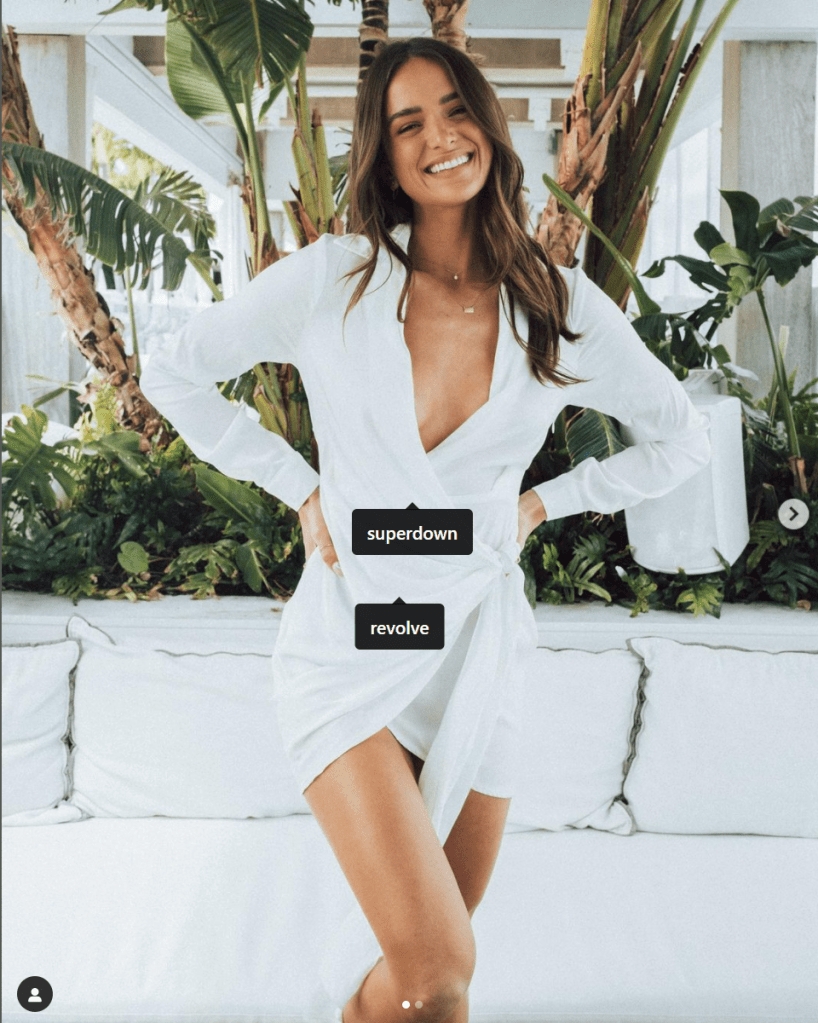
Revolve (NYSE: RVLV) Revolve Group is more than just an online fashion retailer. It is an agglomeration of brands, influencers, and designers. Just to give you an example, the influencer here has 1.6m followers on Instagram. Her dress was sold out in all sizes within the same day of the post. This influencer helenowen is also a designer, who has a line with Revolve. This is a win-win situation for all parties involved. When an influencer posts, Revolve makes money as they can create and order products based on real-time demand. The influencer benefits by having a platform to grow and showcase her brand. It is beneficial for super influencers like Helen Owen and Kendall Jenner. It works for nano-influencers. What’s even better is that influencers are essentially a renewable resource so Revolve doesn’t become hostage to one super influencer.
I have stated this many times, but I will repeat, Wall Street is still vastly underestimating this company. The brand is the moat. The brand is so strong, as they have a tight-knit community of influencers, celebrities, and customers. A great founder-led company with impressive growth numbers and already profitable. They can automate and map their inventory in real-time from their technology platform. This model will eventually be copied, but that could be a long time down the road. Revolve will experience exponential growth when its sales model is widely adopted.
A strong brand ensures recurring customers and inspires loyalty
Financially stable company – no real estate anchor
The Total Addressable Market (TAM) is growing
Not reliant on a specific customer, influencer, or designer.
“It’s such an inexact science,” Nuggets president of Basketball Operations Tim Connelly told the Denver Postwhen discussing the NBA draft. “Nikola, up to that point, his professional numbers (in Europe) had not been something that would jump off the page, and certainly the body type is one that it’s easy to have questions about.”
Palantir (NYSE: PLTR) Very few companies can provide the service that Palantir does. They have an AI/ML infrastructure that makes sense of large data sets. Palantir is misjudged because people do not how to categorize them. This is why share prices have been all over the map. Many great growth companies like Amazon and Facebook, in their early-stage growth, have had similar issues. Was Tesla an automotive company, a technology company, or a pure-play on EV?
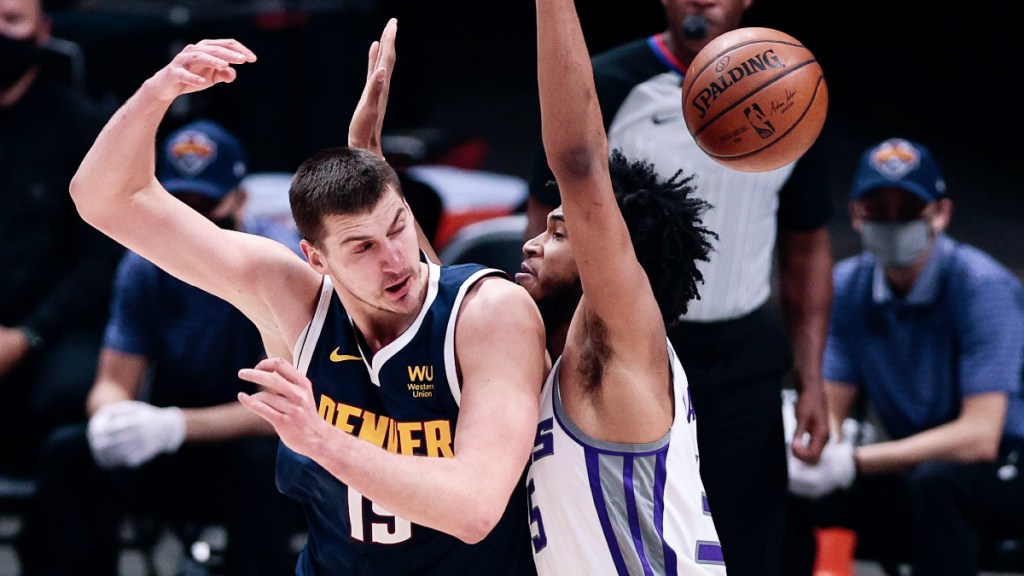
So what is it? Is Palantir high-growth tech or an overpriced consulting firm? I have said this before, but Palantir provides solutions to problems that companies do not even know exist yet. Palantir is in many ways the Nikola Jokić of stocks. There is no player in the NBA like Jokić, who was the lowest-draft player to win NBA MVP. On the surface, he looks like an unathletic big man that should ride the bench, but in reality, he is a star that passes like a point guard and can make 3-pointers. No NBA star plays like Jokić at his size (nearly 300 pounds). It is hard to evaluate Palantir because there has never been a company like them before, and their services are unique to the market.
Risky now because they do not have a broad customer base.
The Total Addressable Market is massive.
Saas revenue model from Monthly Recurring Revenue (MRR) is highly profitable.
High switching cost is a Moat.
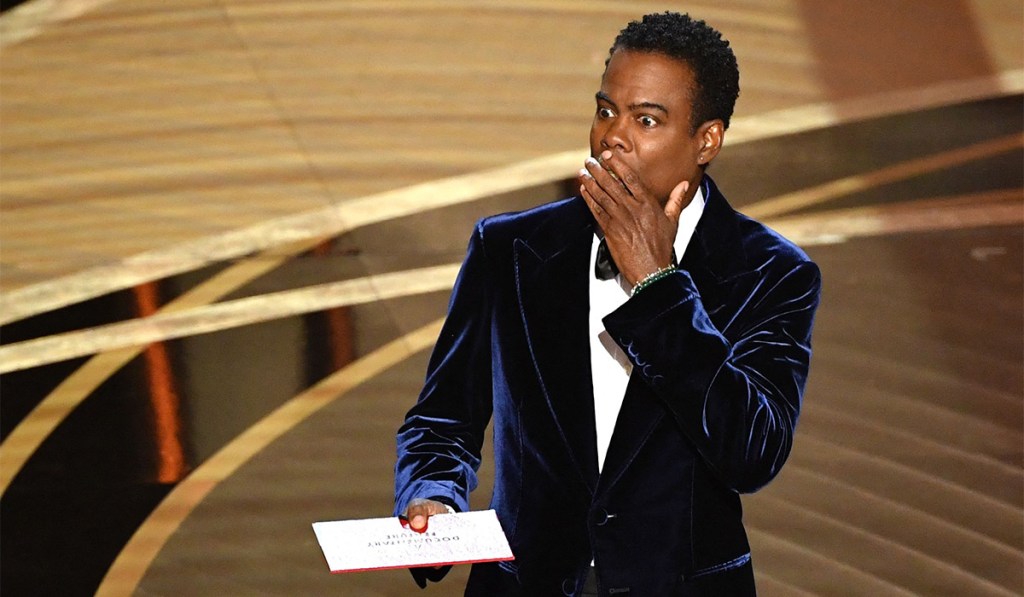
Lemonade (NYSE: LMND) Chris Rock said in an interview with the Breakfast Club that unfunny comedy is a product of comedians who fear being canceled. Being a great comedian requires you to be a risk-taker. The same thing goes with being a great investor. If you do not take any risks, you will have guaranteed mediocre returns. Consider the average fund available to invest in has over 150 stocks, and those companies get turned over every year. Ask yourself, where is the edge in that?
Lemonade is a big-time risk. It is among one of the most hated, ridiculed stocks in the market. There is no timetable for profit however, the opportunity is massive. Right now, Lemonade is like a car halfway built. Evaluating Lemonade’s performance when its products are not rolled out nationwide is a bit shortsighted. Their future flagship product, car insurance, just launched in only their second state, Tennessee, last month!
Lemonade has a TAM, as big as any publicly-traded company. If Lemonade provides a better onboarding experience, offers lower rates, loses less on claims, and payout claims in minutes, it will gain millions of new users. For Lemonade, more users equate to more data points, and their overall network becomes smarter. This creates more efficient underwriting and accurate pricing. The scary thing is that the market for car, home, renters, pet, and life insurance is so big, that they don’t need to overtake State Farm or Geico to experience exponential growth. If they can just take a slice of the overall market share, the stock will be a 1,000% gainer in a decade.
Powered by AI and using telematics allows Lemonade to undercut its competitor’s prices.
The suite of products: car, home, renters, pet, and life being offered globally equals a large TAM.
Potential of a Network Effect if consumers find Lemonade significantly better than its competitors.
Social impact makes it different from traditional insurance.
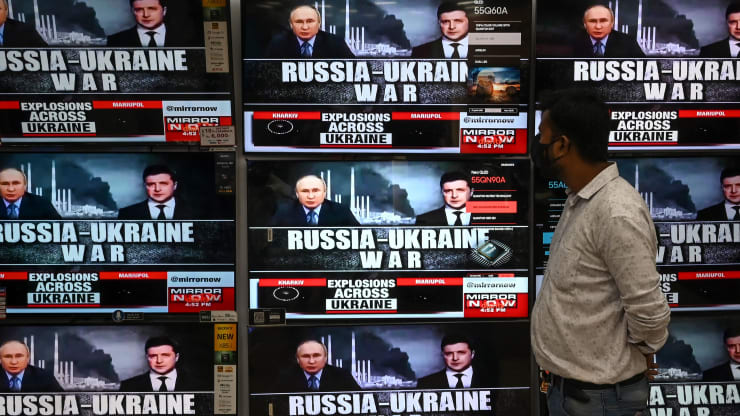
A man watches coverage of the conflict between Russia and Ukraine displayed on televisions in Kolkata on February 24, 2022. Dibyangshu Sarkar | AFP | Getty Images
“We generally do not enter into business with customers or governments whose positions or actions we consider inconsistent with our mission to support Western liberal democracy and its strategic allies.”
On February 24th, Russia invaded Ukraine. As FDR once said, “a date which will live in infamy.” Vladimir Putin is no longer a thuggish dictator, but now a full-fledged war criminal, who will be ostracized from the global community. The global landscape has changed. Everything has changed.
Watching the horrific scenes in Kyiv, I start to realize how lucky I was to be born in a democratic country. All of us have problems, but nothing like that of those that live in an authoritarian country where the meaning of freedom and liberty are much different.
We now have a true declaration of war. This war won’t be fought on the battlefield but in cyberspace. The U.S military is significantly stronger than Russia. When you add the U.S and all of its allies vs Russia, it isn’t even close. Russia knows this but closes the gap with a formidable hacking network where they can inflict massive cyberattacks that can cause large-scale damage.
The recent attack forever changed U.S. relations with Russia and Europe. Preserving western democracy through cybersecurity and focusing on national defense will be a much higher priority for the U.S. and its allies. I see Palantir, a stock that thrives in chaos, as a big beneficiary from the Russia-Ukraine war.
What is Palantir?
The company leverages machine learning and data analysis algorithms to detect unusual or suspicious patterns in large data sets in order to identify, predict, and report conclusions and outcomes. These products and services enable organizations to collect data, process data, analyze data, and use patterns and connections from the analysis to make better operational decisions and predict outcomes.
At Palantir, we’re passionate about solving real-world problems. Our software has been used to stop terrorist attacks, develop new medicines, gain an edge in global financial markets, combat child trafficking, and more.
Palantir expanded its commercial business throughout 2021, with revenue up 34% year over year to $645 million. U.S. commercial revenue alone soared 102% with the customer count jumping 4.7 times to 80. In 2021, government revenue gained 47% to $897 million.
Palantir was founded in 2003 and focused mainly on government contracts. They only recently entered into the commercial space, which makes it the faster-growing segment of their business. Palantir is unique in that they focused on government customers, which is a much more difficult space to grow as a business. Commercial contracts are governed by state law and are much fairer and equal between both parties. Government contracts favor the government for obvious reasons. They have unique powers that a private or publicly-traded business would never have. There is just so much red tape and bureaucracy with government contracts, it becomes an unattractive business model for revenue growth. It makes a lot of sense why Palantir ramped up on hiring sales reps to increase their commercial clientele list.
President Biden convened a meeting of the National Security Council in the White House Situation Room to discuss the unprovoked and unjustified attack on Ukraine. The White House
The invasion changes everything. Government contracts could boom for Palantir. All allies of the U.S. could bolster spending on defense to protect themselves from the Chinese, Russian, and North Korean hacking armies. Germany just recently ramped up its defense spending above 2% of its gross domestic product. German Chancellor Olaf Scholz said during a special session of the Bundestag, “it has become clear that we need to invest significantly more in the security of our country, in order to protect our freedom and our democracy.” Cyberwarfare is upon us and cybersecurity has become an urgent need. Companies like Palo Alto Networks, Crowdflare, Crowdstrike could all benefit, but I like Palantir the most because they are not confined to just the cybersecurity space. They analyze complicated data-driven problems and synthesize large data sets in a much more organized way. That market fits into a lot of different industries, which creates a large total addressable market.
Most investors and analysts assume the reason to invest in Palantir is because of their future growth in the commercial space. It has been assumed that government contracts are slowing down. With the recent geopolitical events, maybe Palantir’s government business is just starting to accelerate, which makes the stock price very attractive at these levels. They already have their foot in the door, so if the demand for more government contracts does increase, Palantir can deliver on that addressable need.
If Palantir grows its revenue at an average rate of 20-30% over the following 10 years, the stock is most likely an 8-12 bagger with a market cap of $400-500 billion. If Palantir grows its revenue at an average rate of 30-40% over the following 10 years, its market cap could be closer to $1 trillion. In that ultra bull-case scenario, this stock is a potential 100 bagger, in the same class as Microsoft, Google, and Tesla. With some luck and conviction, I am holding my shares through a shaky and volatile market. I could accept the pain if the stock price went to zero. I could not accept the regret if Palantir became a superstock and I did not own it.
“The best way to predict the future is to create it.”
Abraham Lincoln, 16th president of the United States
Future and Drake perform at “Homecoming Weekend,” hosted by The h.wood Group & Revolve. Getty Images
“Things are pumping on all cylinders, and we’re a V12; we’ve got a lot of cylinders.” Michael Mente, co-founder, and co-CEO of Revolve.
RVLV is undervalued. It is easily a 100 stock. I see its stock price having a similar trajectory to Lululemon. The stock is misunderstood by Wall Street. Most analysts do not even know what Revolve sells or how they advertise. They are not just a fashion company, they are a cultural brand, which is not priced into the stock price. They have true staying-power which will allow them to maintain their stellar growth rate.
RVLV utilizes social media influence marketing/data analytics to find the next fashion trends and get trending products to their target audience – Mainly millennials and Gen Z females.
Just to compare how frequently they engage on social media compared with other fashion companies:
Instagram:
Revolve: 17,422 posts, 5 m followers Nordstrom: 6,608 posts, 3.4 m followers Louis Vuitton: 5,870 posts, 47.3 m followers Aritzia: 3,745 posts, 1.2 m followers Lululemon: 3,254 posts, 3.9 m followers
TikTok:
Revolve: 309.7k followers, 2.9 m likes Nordstrom: 22.3k followers, 1.7 m likes Louis Vuitton: 1.4 m followers, 10 m likes Aritzia: 28.7k followers, 28.8k likes Lululemon: 256.2k followers, 2.6 m likes
Thesis: Why I am so bullish on Revolve
Proprietary Technology Infrastructure: Think of Revolve Group as the Amazon for Fashion. They utilize their proprietary technology, data science, influencer marketing, and brand ambassador program to become a lux fashion networking giant. The strategies they use are absolutely brilliant. For example, the majority of Revolve’s influencers and ambassadors do not get paid in cash, they receive store credit. Buy more clothes, sells more clothes! The most important thing with Revolve is no other American fashion company is engaging with their audience like this. They operate more like a European fashion company than an American fashion company. My ultra-bull case thesis is that Revolve becomes the Louis Vuitton of America.
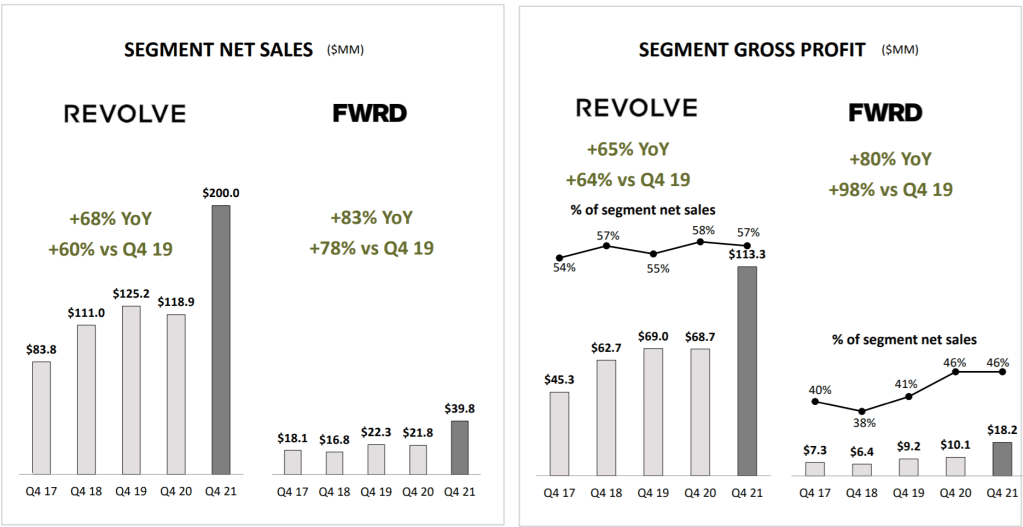
Kendall Jenner Factor: In September 2021, Kendall Jenner was named the creative director for Forward, Revolve’s higher-end faster-growing luxury-focused division. FWRD sales were up 83% year-over-year in the subsequent three months. Jenner is a cash cow who makes about $611,000 (probably more) per Instagram post. From their latest Q4 earnings call, there are “special FWRD activations in the works,” for Kendall later this year.
Revolve Festival Returns in April: Revolve Festival is the “it” party in Coachella. After a two-year hiatus because of the pandemic, the invite-only party returns, which will increase greater brand awareness. They already have the cool factor. In September they had their first-ever New York Fashion Week runway show. “According to Tribe Dynamics, from September 6-11, the hashtag #revolvegallery generated $7.9 million in EMV (earned media value).” Just recently they hosted during Super Bowl weekend a two-day “Homecoming Weekend” event at the Pacific Design Center. The event was headlined by Justin Bieber and Drake. The guest list included the likes of Leonardo DiCaprio, Jeff Bezos, and Russell Wilson. You cannot get better than having a ton of A-list celebrities promoting your brand.
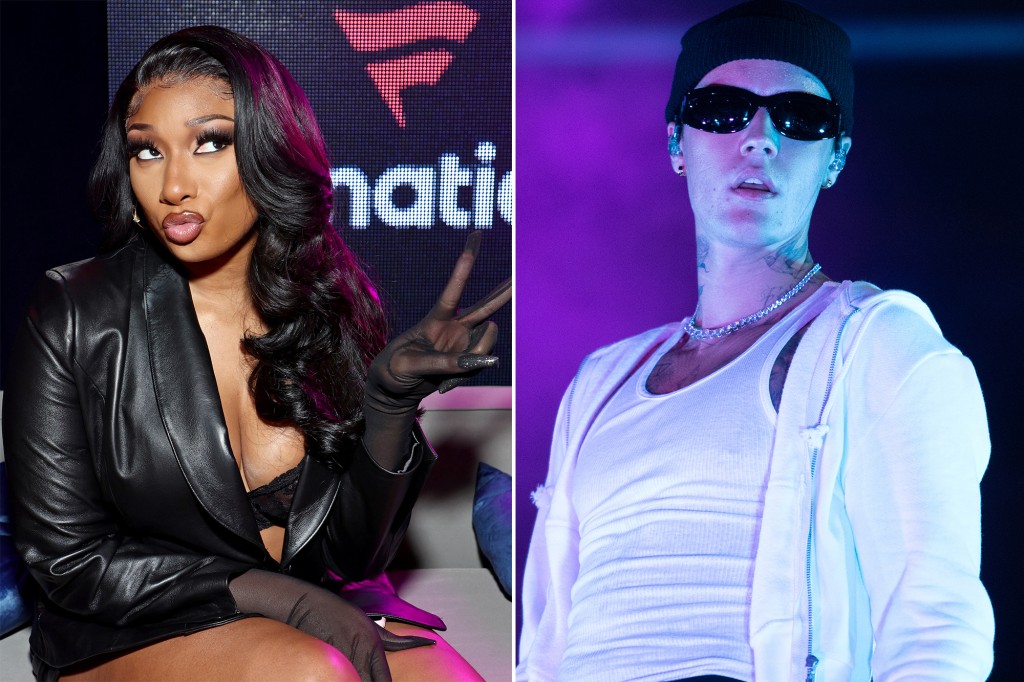
Megan Thee Stallion and Justin Bieber were among the performers at the A-list pre-Super Bowl parties. Getty Images
Oana Ruxandra: Revolve’s new board member is the Chief Digital Officer & Exec VP of Business Development for Warner Music Group. This is a tremendous asset to Revolve as she has a lot of connections with TikTok and Snapchat. Given her background, this could signal that Revolve will get into NFTs and/or metaverse. This gives Revolve another arsenal to better engage with their audience.
This isn’t a stay-at-home play. This isn’t a cash-burning speculative company. They are a legitimate cash-flowing business that utilizes innovative marketing techniques that other luxury apparel companies have yet to catch onto yet. There are tons of catalysts events for Revolve this year and next. I did not even mention they are opening their first store in March! “A lounge, cafe, bar, Instagram-bait photo walls… and a gym and wellness center.”
In order for retail to thrive in the future, they will need to drastically communicate with their consumers in a different way. This will require more experience-based retail and doubling down on technology. This is the Revolve business. Their core customers are not just buying clothes, they are getting a curated experience of an affluent lifestyle. The influencers are living that lifestyle, which creates a culturally significant brand.
Revolve is well-positioned in the luxury market for the long-term with several growth catalysts ahead. Our society is moving rapidly from offline to online and this shift is not a fad, it is a secular change. 22% of all luxury shopping is online in 2021. That number will reach 30% before 2030. Patient investors will be rewarded in the long run.
When I bought the stock two years ago, I viewed it as a good re-opening play. I didn’t imagine the success they would have during the pandemic. With live events returning, I expect the stock to soar. I am not selling, not for a while. Wall Street is sleeping on this company.
All these views are mine and do not represent financial advice, do your own research. I am not a financial advisor. This is for entertainment purposes only.
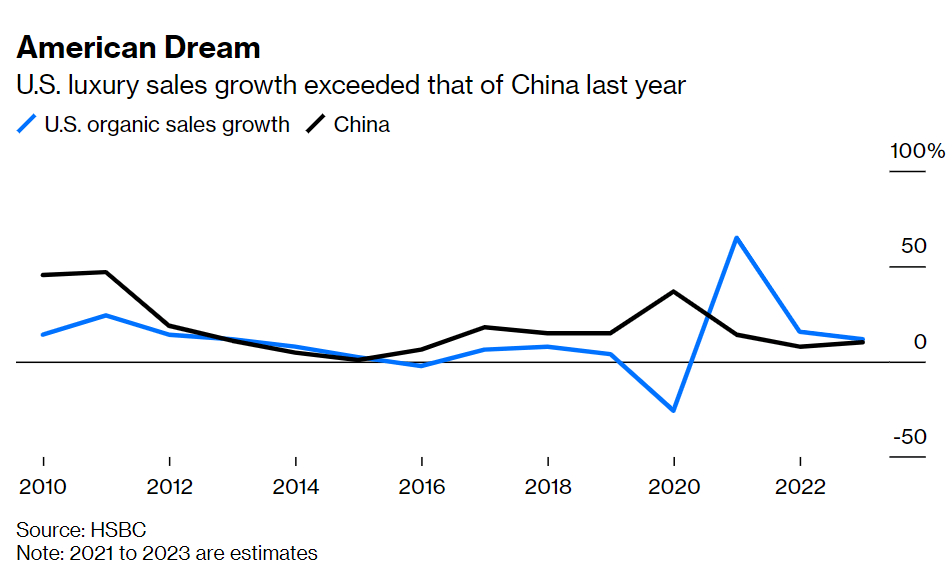
Consumers are spending like there is no tomorrow. One of the biggest beneficiaries is luxury fashion. That shouldn’t be surprising. If people were still buying designer clothes and handbags when everything was shut down, it seemed inevitable spending would increase as things open up. There are obvious reasons why luxury fashion benefits:
People want to buy expensive clothing for special events and gatherings.
People want to look good on their preferred social media platform.
Even with supply chain issues, getting your hands on a designer dress or handbag is much easier than a Tesla, refrigerator, heater, etc.
High-quality luxury brands have pricing power and can/will raise prices because consumers will pay for those prices.
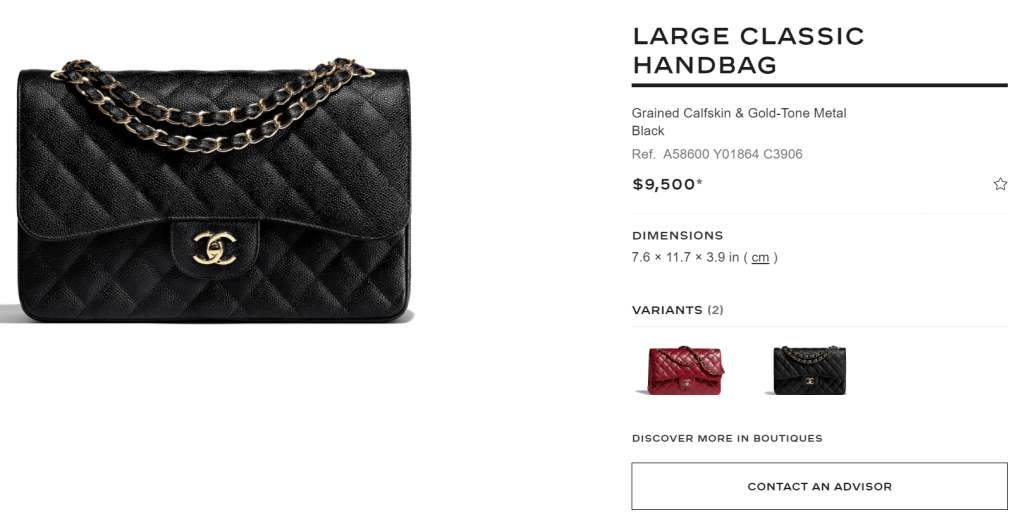
A Chanel Handbag was going for $3,000-$4,000 in 2019. In 2022 it is now going for over $8,000.
“All the luxury industry is raising prices,” John Idol, the CEO of Capri Holdings (NYSE: CPRI), the parent company of Michael Kors, Jimmy Choo, and Versace. “We’ve seen absolutely no consumer resistance to any of the price increases that we have taken, and there will be more.”
This may disgust the average, middle-class consumer however there isn’t much they can do about it. There are still long lines outside stores like Louis Vuitton and Chanel. Certain consumers may become priced out however the core consumer for these products will still buy. Those consumers that are priced out usually will end up buying from a lesser-tier luxury brand, which is raising their prices as well.
Tapestry, Ralph Lauren and Capri Holdings have all recently raised sales outlook as 2022 and 2023 look like a good time for higher-end apparel companies. Demand will remain high as pandemic lockdowns get lifted. More social outings = Increased Demand.
My biggest holding is Revolve Group Inc, (NYSE: RVLV). If the price falls further due to weak earnings or the fear-driven market we are in currently, I may consider buying more shares, the first time in nearly two years.
Revolve Group has no physical retail presence. Having no stores lets them allocate their funds into advertising, inventory optimization, and operational efficiency. This gives them a leg up over their competitors with physical retail, which requires hiring employees and paying rent to lease commercial stores. In the future I think Revolve will actually need some sort of physical retail presence to help raise brand awareness and boost profits however, that is not the priority at this time.
The Revolve story is about social media and AI machine learning to better engage with their audience. Physical stores do not make much sense now since their brand is being built through influencers, special events, and festivals. This strategy is different from most other apparel companies but one that I think will be a winner and eventually be copied by other apparel companies.
The ultra bull-case thesis is that they become the first American Luxury Fashion company, being able to rival Louis Vuitton. Luxury fashion has been a European concept, it really hasn’t existed in the United States. Bernard Arnault once said, “if you control your distribution, you control your image.” A true luxury brand needs to aspire their audience to reach the top. This cannot be done when a product is discounted in outlet malls. It cheapens the brand. There is a reason why Rolex doesn’t sell “cheap” watches or why fancy restaurants have a dress code.
Since Revolve has no retail presence, its brand hasn’t suffered from massive discounting. It has an aspirational Los Angeles aesthetic feel with the cool factor. While the majority of other aspiring higher-end apparel companies operate in New York, their roots are in Los Angeles. They target a specific niche audience and operate more like a European fashion company than an American fashion company.
The question all high-end apparel companies have to ask themselves is how do you reach a mass audience without diminishing your brand value? Revolve is the only American company in their space doing this effectively. They do not just sell clothing, they are selling a cultural brand. Communication in how you reach your audience is just as important as the product itself.
The other catalyst for Revolve Group is that they appointed Oana Ruxandra to its board of directors. Here is a snippet from her biography:
Ruxandra is Chief Digital Officer & EVP, Business Development at Warner Music Group, where she oversees global digital partnerships and negotiations with a focus on exploring new forms of commercial innovation and creating new digital revenue opportunities. In recent years, Ruxandra’s team has led successful growth in emerging streaming platforms that have become Warner Music Group’s fastest-growing source of revenue by partnering with leading social media, gaming and connected fitness brands. She is also guiding the company’s expansion into other emerging digital market opportunities as the world of web3 evolves and more time is spent in the metaverse and with digital goods (e.g., NFTs).
I see this as a potential sign that Revolve may get into NFTs and or the Metaverse. Ralph Lauren already got into the Metaverse last year and I could see Revolve proceeding soon. I see this being relevant for two main reasons. 1. Better able to connect and reach a Gen Z audience and 2. Premium luxury fashion needs to be more than just about selling products. They need to be able to create and sell experiences.
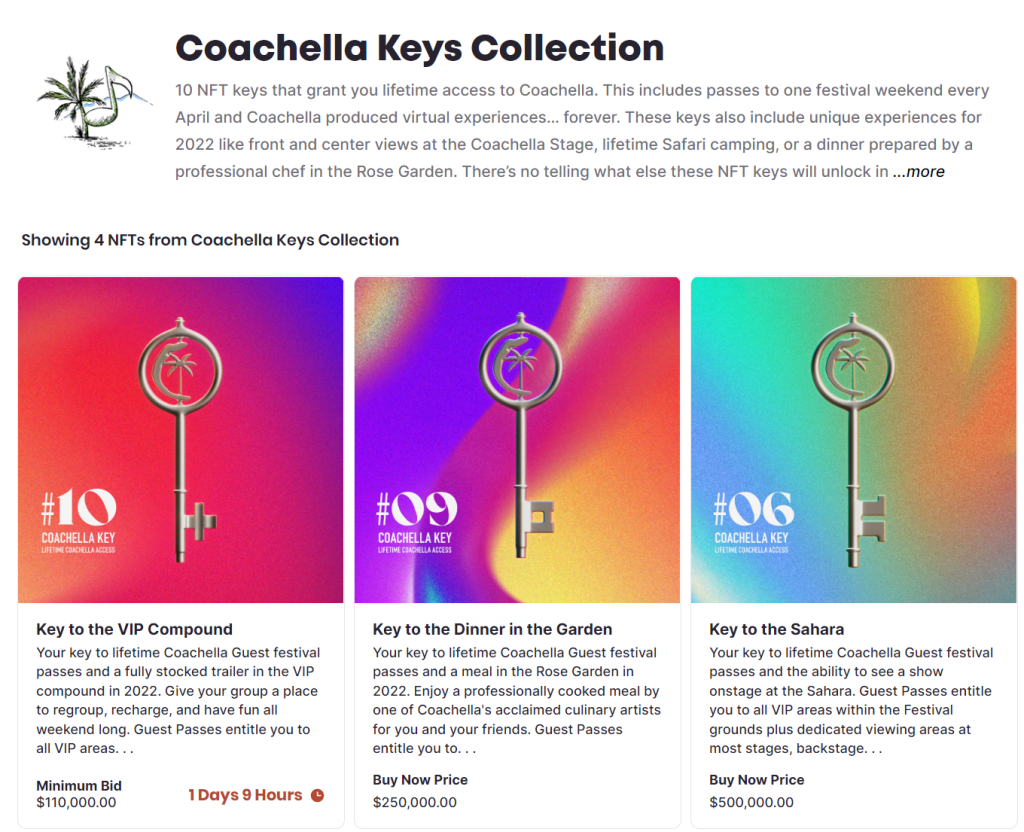
The Metaverse itself is about a digital experience. Revolve already has its own festival, the exclusive party inside Coachella. The Metaverse is another innovative way to connect to a younger audience. NFTs have value depending on who the creator is and what use case they have. Coachella recently launched an NFT marketplace which shows how they can be valued in a utilitarian way. They have an auction selling NFT keys that grant you lifetime access to Coachella. These keys show how they have value more than just aesthetically. The key provides an actual tangible real-life experience, which goes against the idea that NFTs are completely useless.
If the fundamental story remains, I will still hold my RVLV shares. If the stock price falls after earnings, I will strongly consider adding more shares. At this moment I have no plans to sell.